




Hammer Unions
High pressure hammer unions for frac, choke/kill and well test lines
size:1"–4"、2,000–20,000 psi
FMC / WECO style figures: Fig 100, 200, 206, 602, 1002, 1003, 1502, 2002, 2202
Standard and sour service (NACE MR0175) material options
Matching high-pressure iron: pup joints, tees, crosses, elbows, valves
Octal Pipe supplies a full range of high pressure hammer unions and matching iron for oilfield service. Our portfolio covers 1"–4" and 2,000–20,000 psi, with dimensions compatible with mainstream FMC / WECO style hammer unions. We provide unions together with pup joints, tees, elbows, crosses, telescopic and pneumatic unions and manifold spools, for both standard service and NACE MR0175 sour service.

How Our Hammer Unions Are Used in the Field
In real projects, Octal hammer unions are typically used in these parts of the system:
- Fracturing work – connecting frac pumps and blenders to the surface frac iron. These lines see high pressure, strong pulsation and sand-laden fluids, and are made up and broken out frequently, often every day.
- Cementing and acidizing – building up and breaking down high-pressure cement lines, acid lines and returns; jobs are short and intensive, and crews need to lay and pull lines quickly without complicated tools.
- Choke, kill and standpipe manifolds – joining choke valves, kill lines, standpipe manifolds and vertical risers, often at 10,000–15,000 psi and in critical well control service.
- Well test and flowback – connecting the test tree to separators and flare lines, where layouts change between wells and lines need to be reconfigured on short notice.
- Water injection and disposal – at injection plants and disposal stations, unions sit at high-pressure manifold nodes where regular maintenance or line isolation is required.
Where H₂S and CO₂ are present, we can supply hammer unions with NACE MR0175 / ISO 15156 compliant materials and seals, so that sour service and documentation requirements are already built into the supply, not discovered at final inspection.


Size and Pressure Range – Covering Mainstream Fig Numbers
Octal hammer unions are designed to match the figure systems and pressure classes commonly used on modern frac and manifold systems:
| Item | Range and description |
|---|---|
| Nominal sizes | 1", 1½", 2", 2½", 3", 4" |
| Working pressure | 2,000 / 3,000 / 5,000 / 10,000 / 15,000 / 20,000 psi |
| Figure numbers | Fig 100 / 200 / 206 / 602 / 1002 / 1003 / 1502 / 2002 / 2202 |
| Service types | Standard service; sour service (H₂S) with NACE MR0175 / ISO 15156 materials |
| Temperature | Typically -29 °C to +121 °C (PU class); low-temperature options on request |
| Materials | Alloy steel forgings; stainless steel available; nylon unions for low-pressure corrosive lines |
| Design basis | Based on API 16C high-pressure iron and relevant API 6A clauses |
| End connections | F×F, F×M, M×M, butt-weld ends, LP / tubing threads, NPT, flanged ends, hose union ends |


For frac iron and well test systems, we can match these unions with pup joints (1"–5", 1–20 ft, 1,000–20,000 psi) and integral tees, crosses and elbows in the same figure and pressure class, so the entire line follows one consistent standard.
Field Experience – Why Crews Keep Using Hammer Unions
The reason hammer unions remain the default connection on many spreads and manifolds comes down to how they behave in the field:
-
Fast to assemble and break down
With a female sub, male sub and winged nut, a crew member can make up or break out a connection using a sledgehammer, without a ring of flange bolts, washers and multiple wrenches. This saves time when iron is laid out and picked up before and after every job.

-
High-pressure capability with familiar figure numbers
When correctly selected and manufactured, unions handle 5,000–20,000 psi service and pressure pulsation for the full life of the iron. Because our Fig 602 / 1002 / 1502 unions follow FMC / WECO style dimensions, they fit into existing iron systems without forcing a redesign.
-
Adaptable to different media and environments
From clean water and oil to cement slurry, acid and sour produced fluids, we can configure materials and elastomers (NBR, HNBR, FKM, etc.) to suit the media and temperature. For sour service, hardness and chemistry are controlled for NACE MR0175 compatibility, reducing the risk of cracking and leaks.
The result is a connection style that operators know, crews are comfortable with, and project engineers can specify with confidence for high-pressure, frequently reconfigured lines.
More Than Unions – A Complete High-Pressure Iron System
In many projects, customers start by asking for hammer unions only, and then quickly decide to standardize the entire iron system with us, because it simplifies both design and purchasing.
For frac and well test iron, we supply a full set of hammer unions in the specified figures and pressure classes, plus matching:
- Union pup joints (straight lengths)
- Integral tees and crosses
- Long-radius and 90° elbows
- Plug valves and choke valves with union ends
This allows the line from the wellhead to the frac or test equipment to use a single connection standard from end to end.

For tank farm circulation and drain lines, we recommend pneumatic tire unions or telescopic steel unions with larger diameter pipe, which absorb misalignment and thermal movement between tanks without cutting and rewelding pipe every time the layout changes.
For water injection and disposal plants, we often combine union ends near wellheads and valve groups (for ease of maintenance and modification) with flanged ends toward the main process piping and equipment, so you get the right balance between flexibility and long-term stability.
In all cases, what you receive is not a box of random parts, but a coordinated package of unions, straight joints, fittings, valves and manifold spools designed to work together under the same figures, pressures and connection types.
Quality and Documentation – Built to Run, Built to Pass Inspection
High-pressure hammer unions are part of the pressure envelope. They must not only work in the field, but also stand up to scrutiny from owners, EPCs and third-party inspectors.
Octal's quality and documentation approach includes:
- Traceable materials and forgings – alloy steel forgings with controlled chemistry; each heat and forging batch is traceable through to finished unions.
- Controlled machining – critical sealing surfaces and threads are CNC machined and checked with dedicated gauges, ensuring dimensional accuracy and interchangeability with FMC / WECO style components.
- Appropriate heat treatment – normalizing or quench-and-temper cycles for strength and toughness; hardness control for sour-service unions per NACE MR0175 / ISO 15156.
- Pressure and sealing tests – hydrostatic and sealing tests at up to 1.5 × working pressure on batches or 100% when specified, with test records kept per project.
- Complete documentation packages – EN 10204 3.1 / 3.2 MTCs, pressure test certificates, heat-treatment charts and dimensional reports compiled into a structured data book when required.
For projects in regions such as the Middle East or North America, this kind of documentation package helps shorten final approval, third-party inspection and customs clearance, and reduces the risk of last-minute rework due to missing certificates.


Working with Octal – What Feels Easier on Your Side
When Octal takes care of hammer unions and the related iron system, several things typically become easier for your team:
-
Specification alignment
Instead of handling figure numbers, pressure classes and service types supplier by supplier, you can send us your current iron tally. We map sizes, figures and ratings to Octal items, clearly separating standard and sour service, and return a clean list that can go straight into your internal review and purchase contract.
-
Fewer interfaces, clearer responsibility
Unions, pup joints, elbows, tees, valves and manifold spools come from one source. Technical clarifications and schedule changes are handled in one place, rather than across multiple vendors, which reduces gaps and overlaps between supply scopes.
-
Smoother installation on site
Because figure numbers, pressure classes and connection types are unified in engineering and production, crews can install according to drawings, with fewer surprises in the yard and less need for improvised adaptors and field welding.
-
Cleaner acceptance and handover
With consistent documents and clearly labeled parts, owners, supervisors and third parties can match each hammer union figure and heat number to its certificates quickly. That means fewer "please resubmit" comments and less time spent chasing paperwork at the final stage.
FAQ
Q: What figure numbers of hammer unions do you supply?
A: We supply Fig 100, 200, 206, 602, 1002, 1003, 1502, 2002 and 2202, in sizes 1"–4" and pressure ratings from 2,000 to 20,000 psi.
Q: Are your hammer unions compatible with FMC / WECO style unions?
A: Yes. Our hammer unions are FMC / WECO style compatible, as long as size, figure number and pressure class match.
Q: Can you supply hammer unions for H₂S sour service?
A: Yes. We offer NACE MR0175 / ISO 15156 compliant sour service hammer unions with suitable materials and seals for H₂S / CO₂ environments.
Q: What documentation can you provide with hammer unions?
A: We can provide EN 10204 3.1/3.2 MTCs, hydrotest and sealing reports, heat treatment records and dimensional reports, and compile them into a project data book if needed.
Q: Do you only sell loose unions, or complete frac iron and manifold packages?
A: We can do both-loose hammer unions only, or complete packages with matching pup joints, tees, elbows, valves and manifold spools in the same figure and pressure class.
Certifications
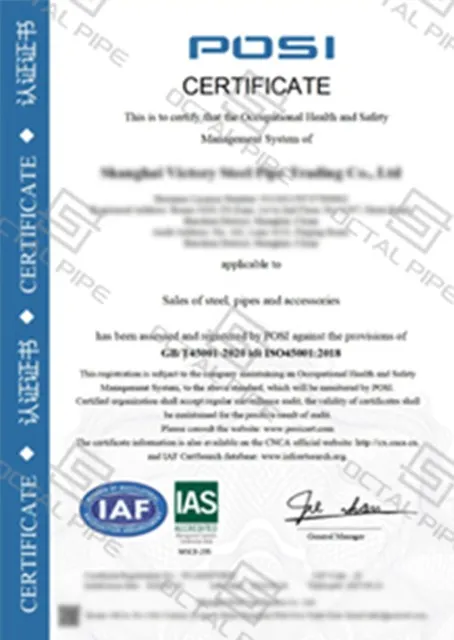
CE Certificate
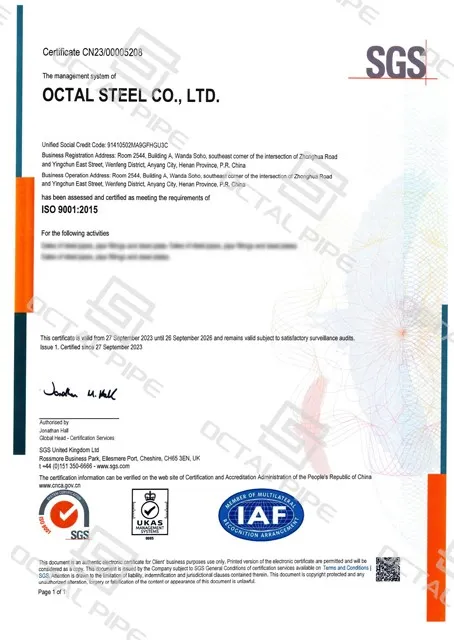
ISO 9001 Certificate
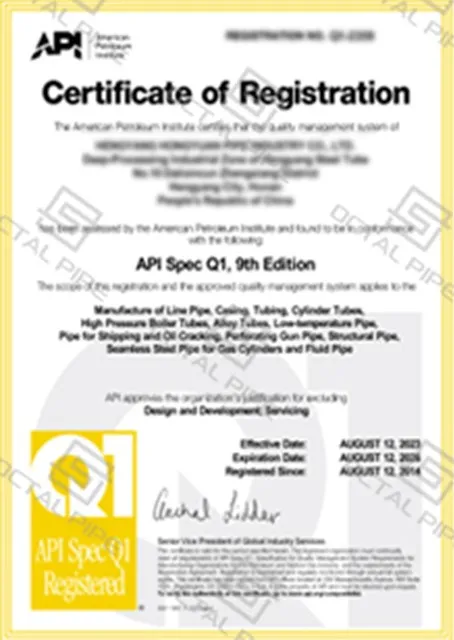
API Q1 Certificate
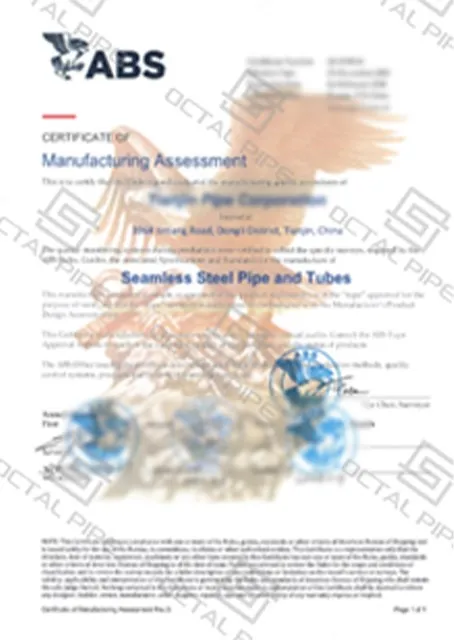
ABS Certificate
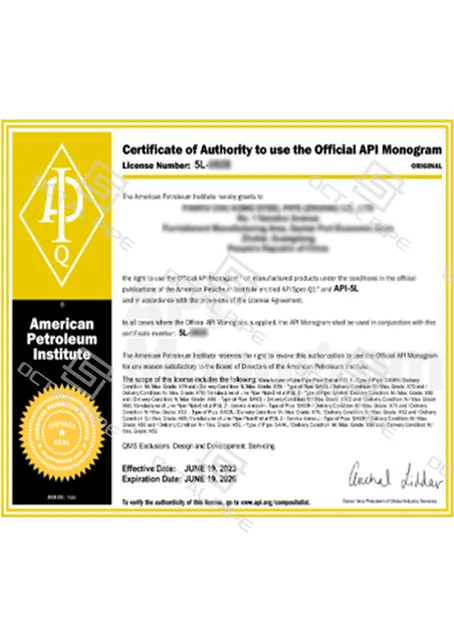
AP-5L Certificate
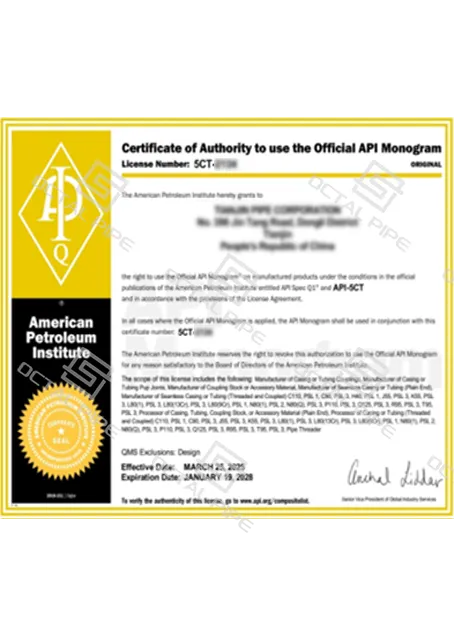
API-5CT Certificate
Hot Tags: hammer unions, China hammer unions manufacturers, suppliers, factory
Previous
Weld Overlay FlangeYou Might Also Like



Send Inquiry