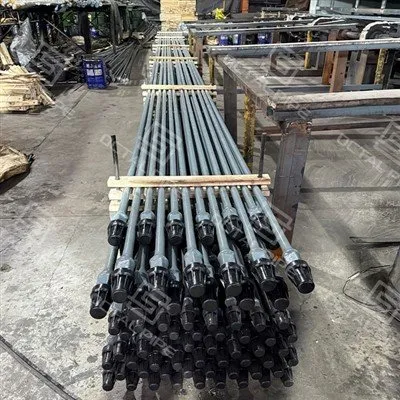
Standards & Compliance: Manufactured to API 6D and ISO 14313 specifications, ensuring global reliability in pipeline valve systems.
Valve Types: Full range including ball valves, gate valves, check valves, and plug valves for oil, gas, water, and chemical pipelines.
Size & Pressure Range: Available in multiple sizes and pressure classes (150–2500#), with customized options for onshore and offshore projects.
Materials: Carbon steel, stainless steel, and alloy steel bodies with advanced sealing technology for high performance.
Customization: Optional coatings, extended stem designs, and actuator compatibility for project-specific needs.
Send Inquiry
Product Introduction
Product Overview
An API 6D valve is not just a general industrial valve. It is selected for pipeline service where pressure containment, shut-off performance, full-bore or reduced-bore design, pigging requirements, and operating reliability must all be considered together. For most projects, the real purchasing question is simple: will the valve fit the line, pass inspection, and work reliably under the specified service conditions. That is why a practical product page should focus on supply capability, configuration options, quality control, and documentation support rather than long standard commentary.
Octal can support project-based supply for pipeline valves used in crude oil, natural gas, refined products, water injection, terminal transfer, and related process lines. The goal is to help buyers shorten specification clarification time, reduce interface mismatch, and receive valves with the right inspection records, marking, and export packing.
Octal Pipe Valve Types
Ball Valve
Ball valves are quarter-turn valves widely used for fast shut-off and isolation in oil & gas and pipeline systems, especially at stations, block valve points, and pigging lines.
End connections: flanged, butt weld, threaded, socket weld
Operation: manual, electric, pneumatic, hydraulic
Cryogenic Valve (Low Temperature Service)
Cryogenic valves are designed for reliable shut-off and isolation in low-temperature media service, with configurations suitable for cold-duty pipeline and station applications.
Cryogenic Valve Range
Size Range: DN50–DN900 (NPS 2–NPS 36)
Pressure Rating: PN10–PN100 (Class 150–Class 600)
Temperature Range:-196°C to +100°C
Main Materials: low-temperature carbon steel, stainless steel
End Connections: flange, butt weld
Operation: manual, electric, pneumatic, hydraulic
Gate Valve
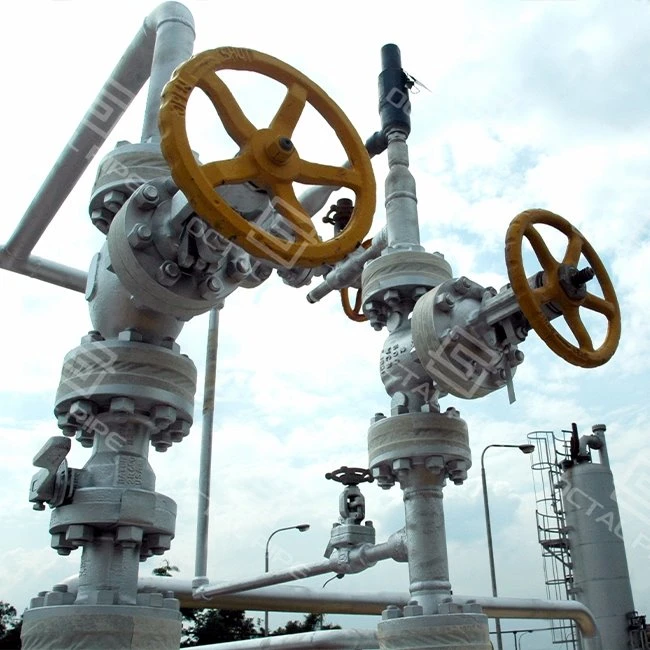
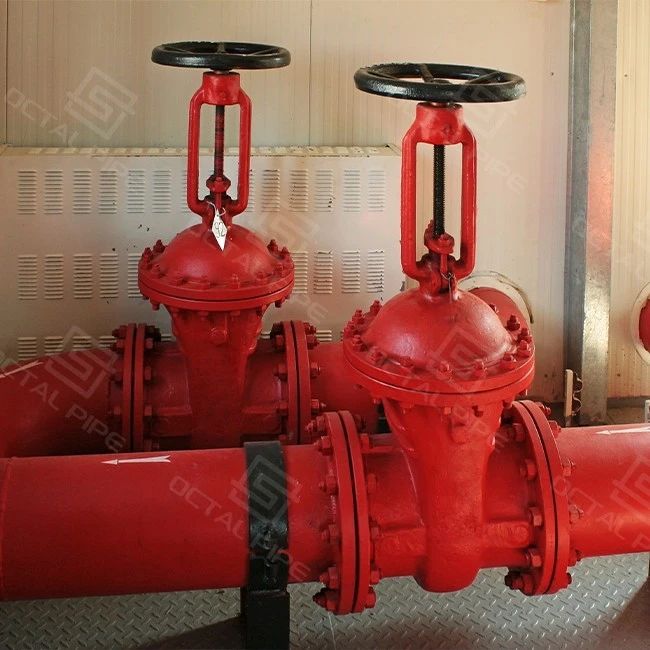
Gate valves are widely used for full-open/full-close isolation in oil & gas and pipeline systems, commonly applied at mainline block valve locations and station piping where reliable shut-off is required.
End connections: flanged, butt weld; threaded and socket weld available for forged gate valves
Operation: manual, electric, pneumatic, hydraulic
Globe Valve
Globe valves are commonly used for flow regulation and throttling in oil & gas and pipeline systems, where stable control and repeatable shut-off performance are required.
Check valves are used for backflow prevention in oil & gas and pipeline systems, helping protect equipment and maintain stable flow direction without manual operation.
End connections: flanged, butt weld; threaded & socket weld available for swing check valves; wafer option for dual plate check valves
Operation: automatic
Butterfly Valve
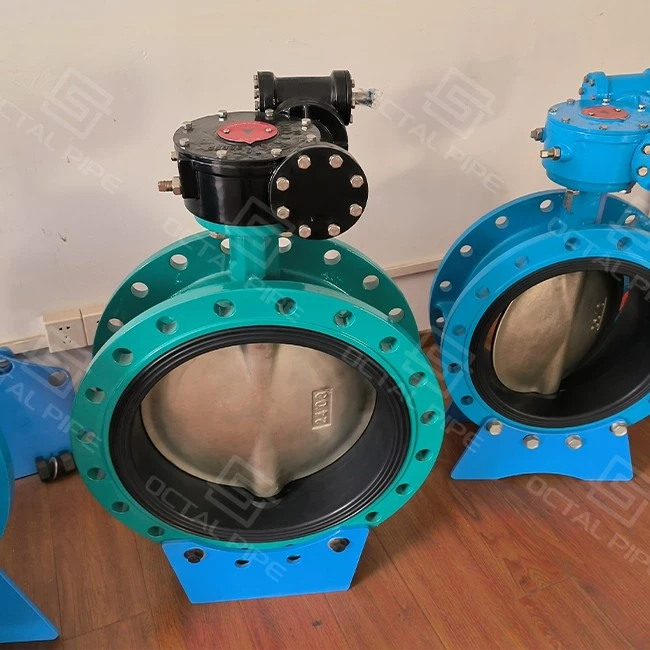
Butterfly valves are quarter-turn valves commonly used for isolation and flow control in oil & gas, utility, and pipeline systems-especially where a compact structure and fast operation are required.
The right API 6D pipeline valve is defined by configuration details, not by valve name alone. For this reason, Octal supports specification matching based on the actual line data and procurement package.
Full bore and reduced bore designs can be supplied according to pigging requirement, flow condition, and project budget. Fire-safe design, anti-static features, emergency sealant injection, locking device, stem extension, gearbox, actuator mounting, position indication, and double block and bleed arrangements can also be considered where the design basis calls for them.
Material selection can be aligned with temperature range, fluid composition, corrosion environment, and client requirements. For standard service, carbon steel and low-temperature carbon steel are common choices. For more demanding media, stainless steel, duplex stainless steel, or other project-specified materials may be required. Seat and trim selection can also be adjusted according to sealing requirement, erosion risk, and operating cycle.
Performance & Operational Advantages
Tight sealing / low leakage: Octal Pipe can supply metal-seat or high-performance soft-seat configurations to meet API 598 / API 6D seat leakage requirements. Seat material and sealing design are selected based on media, temperature, and shut-off expectations, helping reduce unplanned shutdown risk at stations and block valve points.
High pressure & temperature capability: Depending on valve type and configuration, Octal Pipe supports pressure classes up to Class 2500 where applicable. Material and seat selection can be aligned to service conditions such as low-temperature applications or higher-temperature gas service, with documentation matched to the project scope.
Durability & erosion resistance: For higher-velocity or particle-sensitive service, options such as hardened trims, protective surface treatments, and optimized flow paths can help limit wear. This is especially relevant for ball valves and plug valves where localized erosion can affect sealing performance over time.
Reduced maintenance: Field service is simplified through practical design choices such as bolted bodies, replaceable seats/trim, and optional live-loaded stem packing. Octal Pipe keeps these configuration details clear in the selection notes so buyers can confirm maintenance expectations before ordering.
Safety & standards compliance: Valves are specified to meet ISO 14313 pipeline valve safety requirements, with leak-prevention measures such as robust stem packing and sealing arrangements to support fugitive emission control where required. Octal Pipe can align these requirements with the project ITP and include the relevant verification records in the document package.
Materials, Pressure Classes, and Connection Options
For pipeline valve orders, the key is not only choosing a valve type, but confirming whether the body material, pressure class, and end connection fit the actual line design and service condition. A valve that works well in one section may not be suitable in another if the design temperature, service medium, corrosion condition, or pipeline layout changes. That is why project buyers usually review these points together at the quotation stage, rather than checking them one by one later.
Octal can support API 6D pipeline valves in common material grades, pressure classes, and connection forms used in transmission lines, station piping, terminal systems, and process tie-ins. Whether the project requires a carbon steel valve for general pipeline duty, a low-temperature material for colder service, or a stainless or duplex option for more demanding media, the configuration can be matched according to the project specification. Connection forms such as flanged, RTJ, and butt weld can also be selected based on installation practice, sealing requirement, and piping continuity.
Soft seats (PTFE, PEEK), metal seats, bi-metal trims, hardened trims
Applications
API 6D valves are used in pipeline systems where isolation reliability, pressure integrity, and stable long-term operation are required. In actual projects, buyers usually look beyond valve type itself. The real concern is whether the valve matches the line duty, pressure class, connection style, and inspection requirement of the project.
In long-distance oil and gas transmission pipelines, full-bore ball valves and gate valves are often used at block valve stations and piggable sections. For example, on a crude oil or natural gas trunk line, a full-bore trunnion ball valve may be specified so pigs can pass without restriction while the line still maintains reliable shut-off during maintenance or emergency isolation.
In upstream gathering lines, operating conditions are often less stable, with changing pressure, wet gas, or corrosive media. In this case, buyers usually pay closer attention to material compatibility, seat and trim selection, and sealing reliability. A gathering line connecting several wellheads to a processing station, for example, may require valves that can handle repeated operation and still arrive with the correct marking and inspection records for field acceptance.
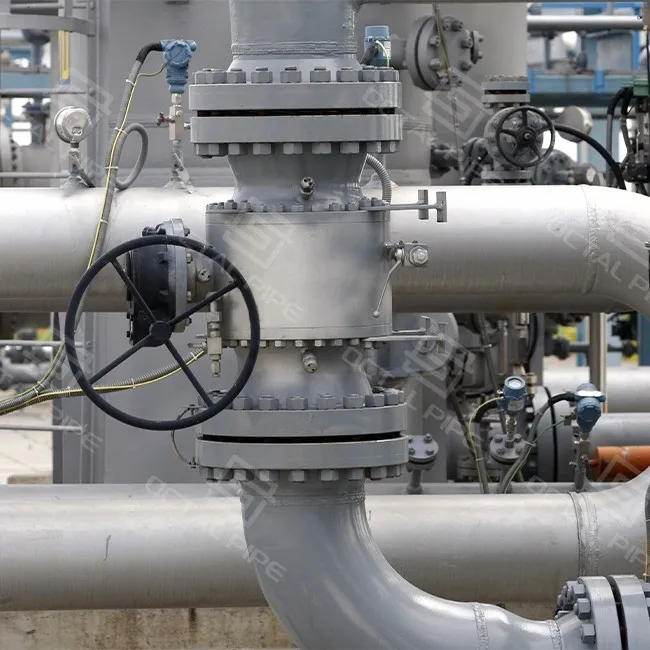
In terminal, refinery, and gas plant tie-ins, the key issue is usually specification matching. During a shutdown replacement or tie-in job, the valve must match the approved pressure class, end connection, operation method, and document package, otherwise installation may be delayed by rework or approval issues.
In tank farm and transfer systems, check valves and isolation valves are commonly used to prevent reverse flow, divide line sections for maintenance, and protect pumps or downstream equipment. A typical example is a transfer line between storage tanks and a pumping system, where reverse-flow control and dependable shut-off are both necessary.
Why Choose Octal
Octal focuses on practical project supply rather than only catalog listing. That means clearer communication on specification details, more attention to inspection and document closure, and better coordination between product configuration and export delivery.
For buyers, the advantage is not just getting a valve quote. It is getting a valve supply package that is easier to review, easier to inspect, and easier to release for shipment. Valve type, class, material, operation mode, end connection, testing scope, and document requirements can be aligned before production, which helps reduce avoidable revisions later.
Octal can also support mixed orders where pipeline valves are supplied together with steel pipe, fittings, flanges, and related line materials. For project buyers, that often means fewer supplier interfaces and a more consistent documentation flow.
01.What types of pipeline valves can be supplied under API 6D?
API 6D supply commonly covers ball valves, gate valves, check valves, and plug valves for petroleum and natural gas pipeline and piping systems. Different valve types are selected according to shut-off duty, flow direction control, pigging needs, and operating preference.
02.When is a full-bore API 6D valve the better choice?
A full-bore valve is usually preferred when the pipeline needs pigging or when buyers want flow passage close to the pipe ID with less restriction through the valve. This is common in transmission lines, launcher and receiver sections, and piggable bypass arrangements.
03.What information should I send for an API 6D valve quotation?
To prepare an accurate quotation, it is best to provide valve type, size, pressure class, body material, end connection, and service condition. If actuation, temperature range, or special testing is required, those points should also be confirmed at the RFQ stage.
04.What documents are usually requested before shipment?
For project and export orders, buyers normally ask for material certificates, pressure test records, marking and traceability details, and inspection reports. These documents help with inspection release, shipment approval, and final site handover.
Certifications
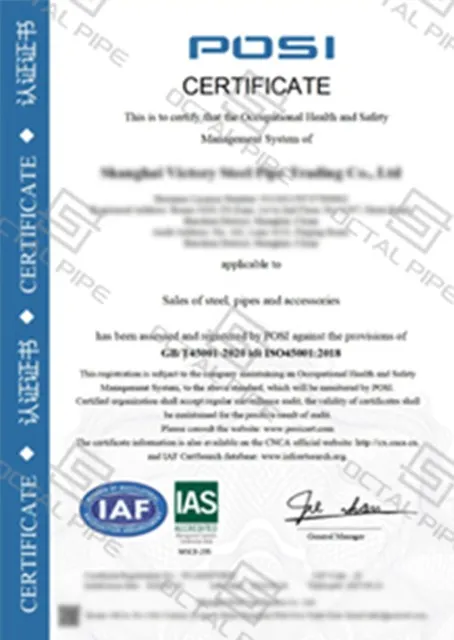
CE Certificate
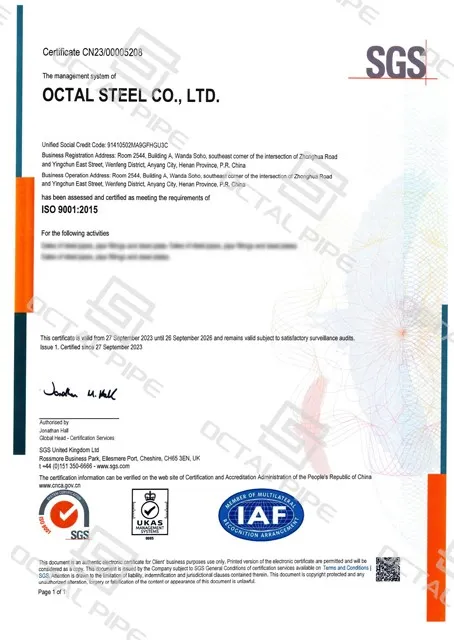
ISO 9001 Certificate
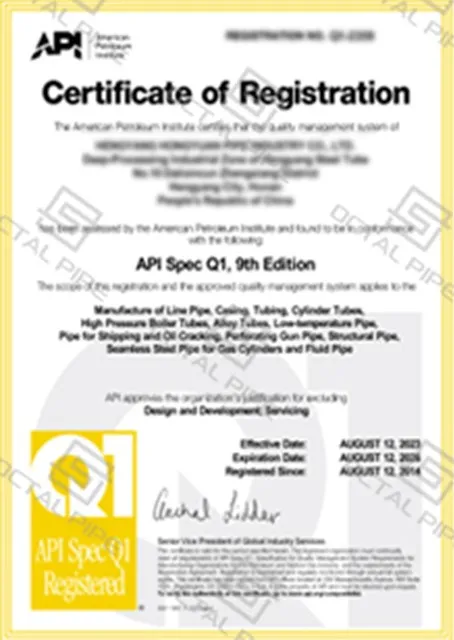
API Q1 Certificate
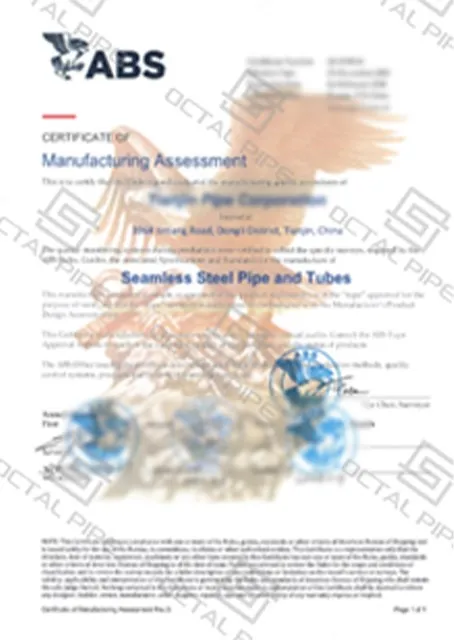
ABS Certificate
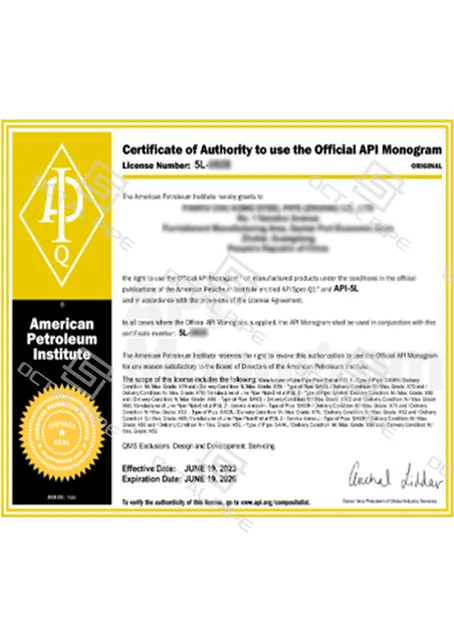
AP-5L Certificate
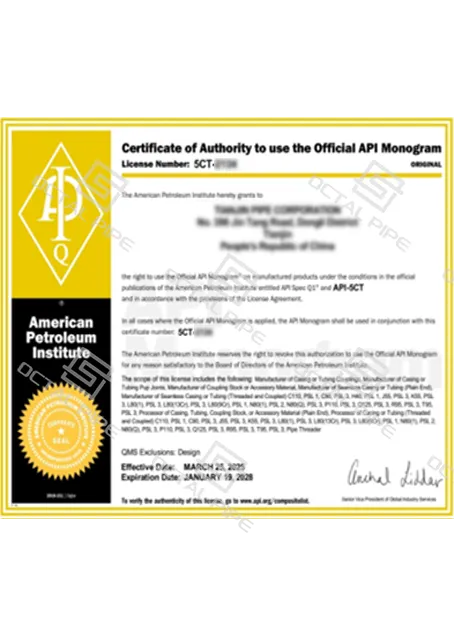
API-5CT Certificate
Hot Tags: api 6d valve and pipeline valve, China api 6d valve and pipeline valve manufacturers, suppliers, factory