




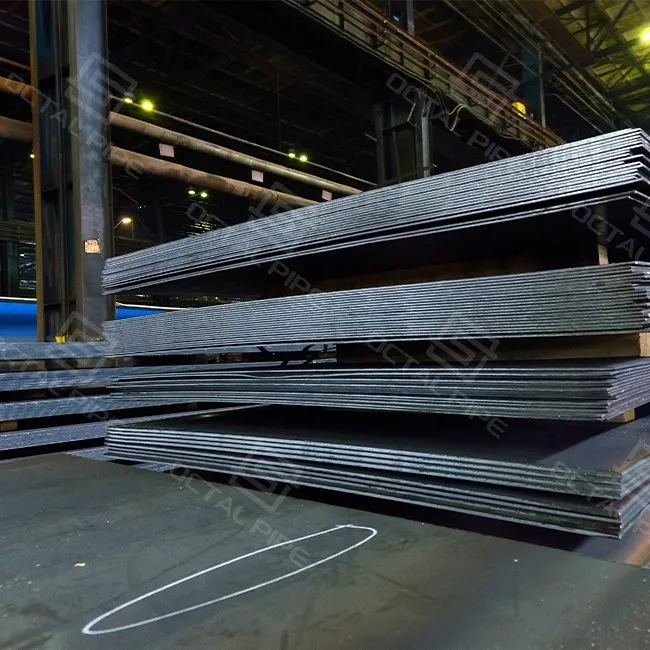


Steel Plate
Size Range: Thickness 4–200 mm, Width up to 4000 mm
Types: Carbon, Stainless, Shipbuilding, Wear-resistant, Galvanized, Cold-rolled
Features: High strength, weldable, corrosion & abrasion resistance
Applications: Shipbuilding, Boilers, Bridges, Machinery, Pipelines
Steel plate is supplied for welded structures, pressure-retaining fabrication, shipbuilding, corrosion-resistant equipment, and abrasion-duty service where thickness, flatness, mechanical properties, and release documents all matter to the final job. In practical fabrication, the material is selected not only by thickness, but also by grade family, delivery condition, service environment, and required inspection scope.
The main supply routes typically include carbon steel plate for general structural and pressure work, stainless steel plate for corrosion service, shipbuilding plate for marine structures, and wear-resistant plate for liner and impact zones. This keeps the product range broad enough for structural fabrication and process equipment while still matching the way steel plate is actually ordered and released.
Steel Plate Supply Range
| Item | Supply Scope |
|---|---|
| Product forms | Carbon steel plate, stainless steel plate, shipbuilding plate, pressure vessel plate, wear-resistant plate |
| Thickness range | 4–200 mm |
| Width | Up to 4000 mm |
| Delivery condition | Hot rolled, normalized, TMCP, or quenched and tempered depending on grade |
| Processing service | Cut-to-length, flame cutting, plasma cutting, edge preparation, blasting |
| Inspection scope | Chemical analysis, mechanical testing, impact testing when required, UT when required, dimensional inspection |
| Documents | MTC, heat/lot traceability, inspection records, third-party inspection when required |
This supply range covers common fabrication routes from a36 steel plate for welded support structures to stainless steel plate for tanks, process equipment, and moisture- or chemical-exposed service.Standard supply width is up to 4000 mm. For extra-wide fabrication requiring fewer longitudinal welds and better panel flatness, see our 4100mm Heavy and Wide Plate supply range.
Steel Plate Grades and Material Routes
A plate order is usually defined first by service route, then by standard and grade.
| Material Route | Typical Standards | Typical Use |
|---|---|---|
| Structural steel plate | ASTM A36 / A36M | Base plates, support members, machine frames, bridges, welded structures |
| Pressure vessel steel plate | ASTM A516 / A516M | Vessel shells, tanks, separators, drums, boiler-related fabrication |
| Shipbuilding steel plate | ASTM A131 / A131M | Hull structures, decks, bulkheads, offshore modules |
| Stainless steel plate | ASTM A240 / A240M | Tanks, chemical equipment, clean fabrication, marine-adjacent service |
| Wear-resistant plate | Project-based wear grade route | Chutes, liners, dump bodies, transfer points, abrasion zones |
-
Structural Steel Plate
A36 steel plate is one of the most common structural routes for general welded fabrication. It is widely used for support frames, base plates, brackets, machine foundations, bridge members, and other applications where a reliable carbon steel plate with good fabrication performance is required.
-
Pressure Vessel Steel Plate
Pressure-retaining fabrication follows a different route from general structure. For vessel shells, separators, tanks, drums, and other welded pressure-containing components, steel is usually ordered to a pressure-vessel specification such as ASTM A516 rather than a general structural grade. In these jobs, notch toughness, plate condition, and release testing are more important than broad structural-use language.
-
Shipbuilding Steel Plate
Marine fabrication requires a plate route suited to hull structures, decks, bulkheads, and offshore welded structures. Grades such as AH36, DH36, and EH36 are commonly used where marine structural performance and project approval requirements are part of the job.
-
Stainless Steel Plate
Stainless steel plate is used where the service environment includes washdown, outdoor moisture, chemical contact, or corrosion exposure that cannot be handled by coating alone. Common grades include 304 and 316 for tanks, process equipment, marine-adjacent structures, and corrosion-sensitive fabrication.
-
Wear-Resistant Plate
Wear-duty service is selected for abrasion zones rather than general structural loading. In these applications, the important question is not only the thickness of the metal plate, but also the wear route, hardness level, cutting method, and how the part will actually work in contact with sliding material, impact, or repeated abrasion.


Carbon Steel Plate and Stainless Steel Plate Selection
A carbon steel plate is usually the more direct option for support structures, base plates, equipment frames, vessel shells, and general welded steelwork where corrosion is not the main design driver. It is widely used in structural fabrication and heavy industry because it is available in broad size ranges and can be processed into cut parts, formed sections, and welded assemblies.
A stainless steel plate becomes the better route where corrosion resistance is required as part of the finished service condition. This includes moisture exposure, chemical processing, outdoor washdown areas, food-contact fabrication, and marine-adjacent installations. In these cases, the material choice is driven less by simple load and more by how the plate will hold up in long-term operating conditions.
In real fabrication work, the decision between carbon steel plate and stainless steel plate is usually tied to:
- Exposure to moisture, salt, chemicals, or washdown
- Required fabrication cleanliness and surface condition
- Coating strategy versus corrosion-resistant base material
- Cost of maintenance, replacement, and shutdown risk
- Welding route and final service environment
Steel Plate Processing and Fabrication
A steel plate order often depends as much on processing scope as on grade. Thickness, width, length, cut shape, edge preparation, and delivery condition all affect whether the plate can move directly into fabrication or needs rework before welding and assembly.
Typical processing services include:
- Cut-to-length plate supply
- Flame cutting for heavy carbon steel plate
- Plasma cutting for shaped parts and profile work
- Edge trimming and bevel preparation
- Surface blasting and coating preparation
- Workshop-ready cut parts for welded fabrication
For structural work, cut size and edge condition often decide how efficiently the plate can be fitted into base frames, stiffeners, and welded supports. For stainless steel plate, surface protection and cut quality usually matter more because visible finish, clean welding, and corrosion performance remain part of the finished assembly.


Steel Plate Applications
Steel plate is used in structural fabrication, pressure equipment, marine work, corrosion service, and wear-duty applications, with the material route selected by actual working condition rather than by product name alone. In actual fabrication, a36 steel plate is often used for base plates, support frames, and welded brackets on equipment skids or platform structures, where cut size, flatness, and welding fit-up matter more than corrosion resistance. Carbon steel plate is commonly selected for tank shells, separator sections, and other pressure-containing parts, while stainless steel plate is more suitable for water-handling equipment, outdoor moisture-exposed tanks, and chemical-contact fabrication where corrosion risk remains part of the service condition.
| Application | Typical Plate Route | Typical Use |
|---|---|---|
| Structural fabrication | A36 steel plate | Base plates, support frames, machine foundations, stiffeners, and welded brackets for general structural work |
| Pressure equipment | Carbon steel plate | Vessel shells, tank sections, separators, drums, and other welded pressure-containing parts |
| Marine and offshore work | Shipbuilding steel plate | Deck plate, bulkheads, side shell structures, and offshore module members |
| Corrosion service | Stainless steel plate | Tanks, chemical equipment, water-handling parts, and outdoor moisture-exposed fabrication |
| Wear duty | Wear-resistant metal plate | Chute liners, hoppers, transfer-point liners, dump body parts, and other abrasion zones |


Why Choose Octal for Steel Plate Supply
Octal supplies steel plate across structural, vessel, stainless, marine, and wear-service routes with attention to size range, processing scope, inspection release, and export documentation. The value is not only in supplying the plate itself, but in supplying the correct grade family, cut condition, and document package for the final fabrication route.
That includes support for:
- Grade and standard confirmation
- Cut-to-size supply
- Delivery condition matching
- Inspection scope confirmation
- Traceable document release
- Export packing and shipment preparation
For heavier or wider jobs, plate supply can also be aligned with large-width requirements, module fabrication, offshore structures, pressure vessels, and other heavy steelwork where dimensional control and release documentation need to stay clean from order to shipment.
FAQ

01.What should be confirmed before ordering steel plate?
02.When should A36 steel plate be used instead of A516 plate?
03.When is stainless steel plate better than carbon steel plate?
04.Should impact testing or UT be specified on the purchase order?
Certifications
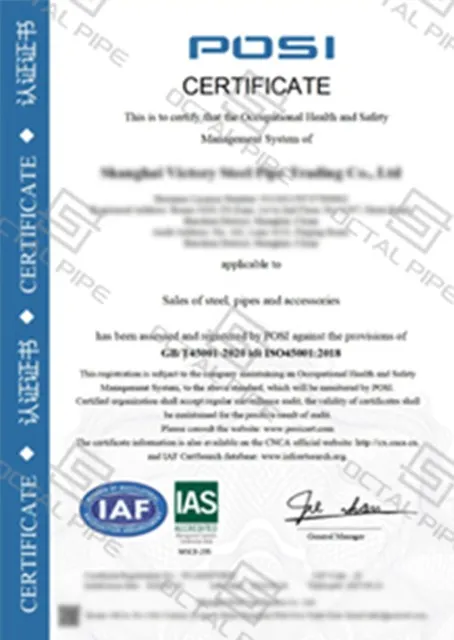
CE Certificate
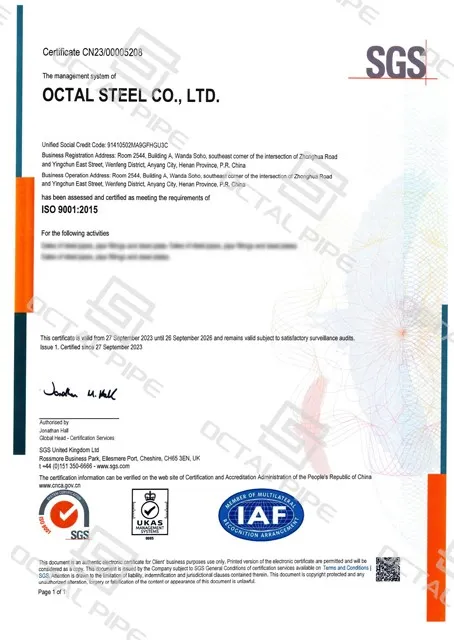
ISO 9001 Certificate
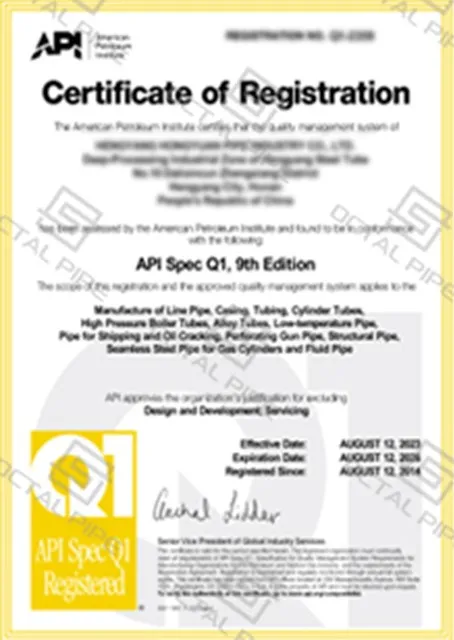
API Q1 Certificate
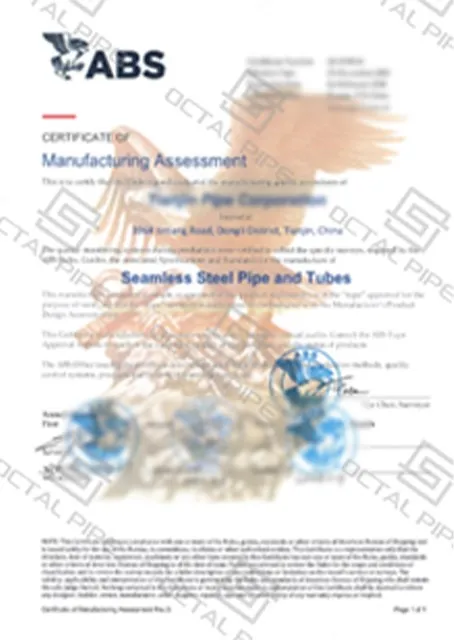
ABS Certificate
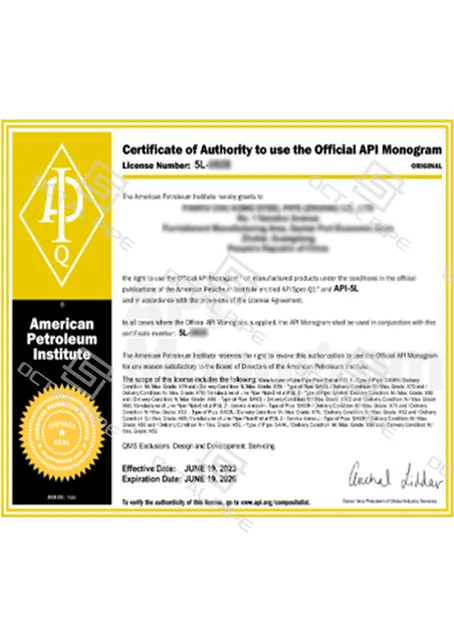
AP-5L Certificate
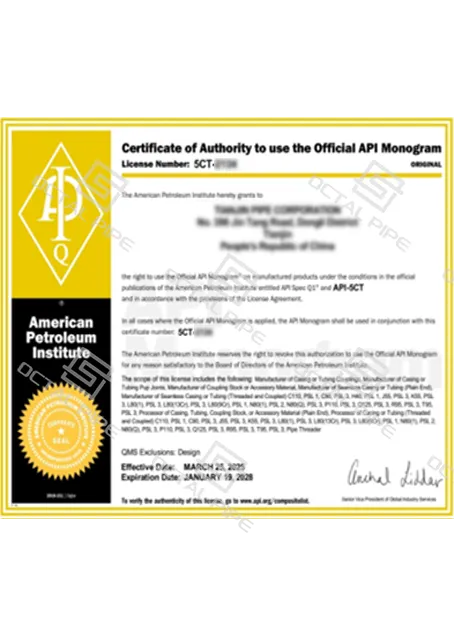
API-5CT Certificate
Hot Tags: steel plate, China steel plate manufacturers, suppliers, factory, diamond metal sheet, structural plates, square steel plate, sa516 70, 3 16 aluminum diamond plate, stainless metal sheet
Previous
Round BarNext
Steel CoilYou Might Also Like



Send Inquiry