




Drill Pipe
Size Range: OD 2 3/8″ – 6 5/8″
Grades: E75, X95, G105, S135
Lengths: Range 1 (18–22 ft), Range 2 (27–30 ft), Range 3 (38–45 ft)
Upset Types: IU, EU, IEU
Connections: API NC, IF, REG, FH; premium double-shoulder available
Features: Heat-treated alloy steel, friction-welded tool joints, hardbanding option
Applications: Deep wells, HPHT, offshore rigs, directional & horizontal drilling
what is Drill Pipe?
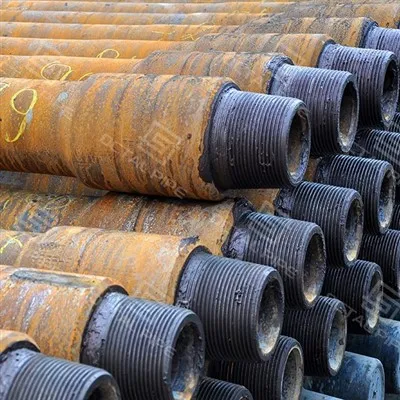
Drill pipe is a steel drill string tubular with upset ends and welded tool joints, manufactured and inspected to API Spec 5DP so procurement can lock acceptance, traceability, and make-up reliability before the pipe reaches the rig.
As a drill pipe manufacturer, Octal Pipe focuses on the controllable failure points-tool joint welding, thread integrity, and shipment-level records-because most rig delays start at the connection, not the pipe body.,Octal Pipe's drill pipe is produced in compliance with API Spec 5DP for pipe bodies, API Spec 7-1 for rotary drill stem elements, and API Spec 7-2 for tool joint connections. This ensures mechanical strength, dimensional precision, and interchangeability with international drilling equipment.
In real purchasing terms, drill pipe problems usually don't start downhole-they start with unclear PSL/grade scope, mismatched connections/tool joints, and missing inspection records that slow incoming checks and create rig-side delays. Octal supplies API 5DP drill pipe as an acceptance-ready package: clear RFQ inputs (using API RP 7G as a selection reference), defined inspection scope, and a document pack that reduces rework and argument later.


How Drill Pipe Works: Power Transmission, Load Path, and Mud Circulation
Drill pipes are the working string that connects the surface rotary system to the bit and the bottomhole assembly (BHA). In normal drilling, it performs three functions at the same time. First, it transmits rotary torque and RPM from the top drive or rotary table through the tool-joint connections to turn the bit. Second, it carries axial load (weight-on-bit) and bending as the wellbore trajectory changes and the string contacts the borehole. Third, it acts as the pressure conduit for drilling fluid: mud is pumped down the drill pipe to the bit nozzles, then returns up the annulus to transport cuttings, control pressure, cool the bit, and stabilize the hole.
Because the downhole environment is not steady-state, the drill string is constantly exposed to dynamic responses that show up in the figure: axial vibration and shock (bit bounce), lateral vibration and impact (bending and wall contact), and torsional vibration. Torsional vibration can develop into stick–slip, where the bit momentarily slows or stalls while surface rotation continues, then releases suddenly-creating high peak torque and accelerating fatigue at connections and transition zones. Bit whirl is a lateral instability where the bit/BHA precesses around the hole centerline; forward and backward whirl describe different rotation/contact patterns and can drive rapid cutter wear and connection damage. This is why drill pipe selection and inspection are driven by connection integrity, dimensional consistency, and traceability, not just OD and wall thickness.

Drill pipe Standards & Specifications
Built by a drill pipe manufacturer to API Spec 5DP so procurement can lock acceptance, heat-to-joint traceability, and make-up reliability before the pipe reaches the rig.
| Item | Typical supply range |
|---|---|
| Standard | API Spec 5DP (PSL-1/2/3) (standards.globalspec.com) |
| Selection reference | API RP 7G (design/operating limits guidance) (Sky Bear Technical Standards) |
| OD range | 2 3/8" – 6 5/8" (Octal Pipe Co., Ltd.) |
| Lengths | R1 (18–22 ft), R2 (27–30 ft), R3 (38–45 ft) (Octal Pipe Co., Ltd.) |
| Grades | E75, X95, G105, S135 (Octal Pipe Co., Ltd.) |
| Upset types | IU, EU, IEU (Octal Pipe Co., Ltd.) |
| Connections | API NC, IF, REG, FH; premium double-shoulder optional (Octal Pipe Co., Ltd.) |
Drill Pipe Sizes


API 5DP Drill Pipe Specification (Grades, Sizes, Connections)
| Item | Options (as ordered) |
|---|---|
| Standard | API 5DP |
| Drill pipes grades | E75 / X95 / G105 / S135 |
| Range | R1 / R2 / R3 |
| Tool joint connection | NC / IF / REG / FH (or project-specified) |
| Pipe body | Seamless drill pipe (typical) |
| Finish / protection | Phosphating, copper plating, thread protectors (as specified) |
| Optional (when specified) | Hardbanding, internal coating, EMI / UT / MPI scope, thread gauging records |
- Grade selection: Match E75/X95/G105/S135 to expected torque, tension, and drilling depth program.
- Sour / corrosive wells: State CO₂/H₂S tendency so protection options and inspection scope can be aligned (when specified).
- Connection risk control: Choose tool joint type and make-up practice to reduce galling and shoulder damage.
- Receiving clarity: Require joint-level identification + packing list for fast tally and yard acceptance.
drill pipe Manufacturing Process
Octal Pipe follows a strict and traceable manufacturing sequence to guarantee mechanical integrity and fatigue resistance:
1. Steelmaking & Tube Rolling
- Seamless alloy steel tubes (35CrMo, 40Cr, 4137H, 4145H) with controlled chemistry.
- Continuous casting and piercing ensure uniform grain structure.
2. Upsetting
- Pipe ends are heated and forged into Internal Upset (IU), External Upset (EU), or Internal-External Upset (IEU) shapes.
- Upsetting increases cross-sectional area for tool joint welding, improving connection strength.
3. Heat Treatment
- Quenching & tempering provides the required yield/tensile strength (e.g., S135 ≥ 135,000 psi).
- Controlled furnace cycles ensure even hardness across the full pipe length.
4. Friction Welding
- Precision friction-welding joins tool joints to the upset pipe body.
- Weld zone undergoes special thermal treatment to achieve seamless metallurgical bonding.
5. Machining & Threading
- API 7-2 threads (NC, IF, REG, FH) cut with CNC precision.
- Phosphate coating and copper plating applied to reduce galling.
6. Hardbanding & Surface Protection
- Fe-based, Cr-carbide, or Nb alloy hardbanding extends wear resistance.
- Final coating with rust inhibitors for transport/storage protection.


Connections & Tool Joints (What to Specify to Avoid Rig Delays)
- Standard Connections: API NC, IF, FH, REG
- Premium Connections: XT™, HT™, double-shoulder threads (for torque & fatigue resistance)
- Hardbanding: Wear-protection layers applied to tool joints, reducing rig floor replacement frequency.
- Surface Treatments: Copper plating, phosphating, anti-galling coatings.
API 5DP drill pipes connections and tool joints decide whether your string makes up smoothly on the rig-or turns into rework and waiting time. Most "site problems" come from one of three procurement gaps: the wrong connection designation, tool joint dimensions that don't match handling tools, or missing proof of thread control.
What to put on the PO (so Octal can supply it as a matched system):
- Connection type: NC / IF / REG / FH (or your exact fleet standard)
- Pin/box plan: confirm pin/box orientation and any crossover needs
- Tool joint limits: tool joint OD + tong space / elevator area constraints
- Wear options (only if needed): hardbanding, internal coating, anti-galling practice
- Protection scope: thread protectors included (pin & box)
How Octal reduces trouble (specific, not generic):
- We confirm the connection plan and tool joint limits before production so the delivered pipe matches your rig practice, not a "default" thread.
- Each shipment includes traceability + dimensional records, and thread gaging evidence when specified-so incoming inspection can sign off without email chasing.
- Thread protectors and stable bundling are treated as part of acceptance risk control, because most make-up issues start in handling, not metallurgy.
procurement-first + Octal controls:
Rig-floor damage usually comes from mismatched handling tools, incorrect tong setup, or uncontrolled make-up. Octal Pipe supplies drill pipe with connection options (NC/IF/REG/FH and premium double-shoulder) and surface treatments (phosphating/copper plating) so the string runs cleanly with standard handling equipment.
| Handling tool keyword | What the buyer is trying to avoid | What to specify on the PO |
|---|---|---|
| drill pipe elevator | Slips/elevator damage, shoulder bruising, dropped-joint risk | OD + tool joint OD, lift points/handling rules, protectors requirement |
| drill pipe spinner | Cross-threading and galling during spin-in | Connection type (NC/IF/REG/FH), thread compound requirement, clean/dry packing |
| drill pipe power tongs | Over/under torque, shoulder damage, seal failure | Target make-up torque basis, torque-turn requirement (when specified), thread gauging evidence (when specified) |
Tap Drill Size Reference (for Shop Threading, not Oilfield Drill Pipe)
The following "pipe tap drill size" queries refer to tap drill sizes used for cutting NPT threads in a workshop setting; they are not drill pipes OD/connection specifications. For quick reference: 1/8″ NPT tap drill is commonly 11/32″ (0.344″ / 8.73 mm), 1/4″ NPT is 7/16″ (0.438″ / 11.11 mm), and 3/8″ NPT is 37/64″ (0.578″ / 14.68 mm)-always verify against the tap manufacturer's chart for the exact thread series and percentage of thread.
Mechanical Properties
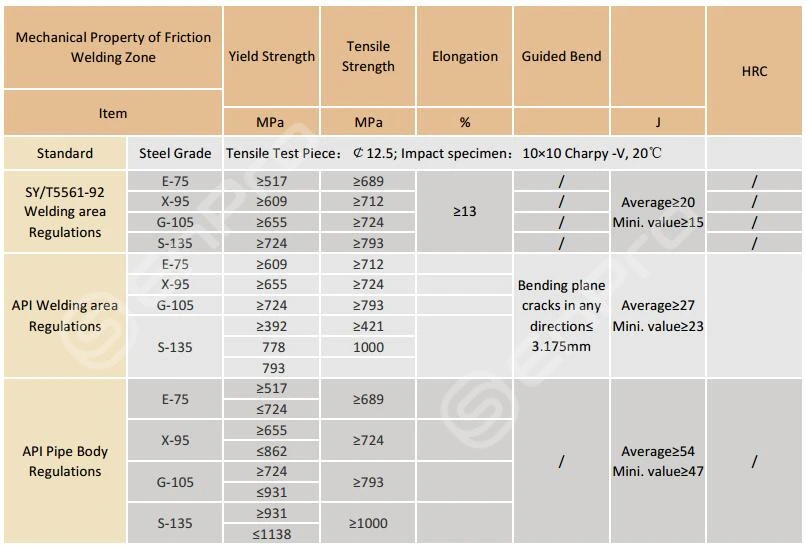
Different grades of drill pipes are designed for specific well conditions:
- E75: Yield ≥ 75,000 psi. Suitable for shallow/mid-depth wells.
- X95: Yield ≥ 95,000 psi. General-purpose grade with better toughness.
- G105: Yield ≥ 105,000 psi. Used in deeper wells or higher loads.
- S135: Yield ≥ 135,000 psi. Required for deep wells and HPHT conditions.
Key Mechanical Parameters (per API 7-1 / 5DP):
- Tensile Strength: Verified via destructive testing for each grade.
- Impact Toughness: Charpy V-notch tests at critical temperatures.
- Hardness Control: Tool joints 285–341 HB typical; body hardness strictly regulated.
- Fatigue Performance: Tool joint/body weld zone tested for cyclic loading resistance.
Quality Assurance & Testing (Expanded) - with Numbers You Can Audit
Procurement doesn't need "stringent QA" wording. You need numeric acceptance criteria and a document pack that shows the measured results. For API 5DP drill pipe (PSL-1 / PSL-2 / PSL-3), Octal aligns the inspection scope to your PO/ITP, then delivers records that match the checks your inspectors actually run.
EN 10204 3.1/3.2 document pack (when specified): MTC/CMTR with heat number, chemistry, mechanical results, and traceability mapping to the shipment list.
| QA / test item | What Octal checks (practical scope) | Proof in your shipment document pack |
|---|---|---|
| Dimensional & straightness | OD/WT, upset geometry, tool joint dimensions, straightness/runout to prevent handling and fatigue issues | Dimensional report + straightness record tied to heat/lot; packing list by size/grade |
| Drift (internal clearance) | Drift test with API drift mandrels to confirm minimum ID clearance | Drift record (mandrel size + pass/fail) linked to batch/lot |
| Thread gauging | Pin/box thread verification using master gauges; visual thread integrity to prevent make-up rejection | Thread gauging record + visual thread inspection record; gauge control evidence when required |
| Make-up / shoulder integrity (when specified) | Torque/turn verification to confirm shoulder contact and sealing behavior (project-driven) | Make-up test record (scope + result) when specified in PO/ITP |
| NDT (when specified) | UT/EMI/MT scope defined by PO/ITP (coverage, zones, acceptance basis). No "default NDT claims" without scope | NDT reports showing method, coverage, acceptance basis, results (only when specified) |
| Hydrostatic testing (when specified) | Pressure test to verify leak-tightness when your PO/ITP requires hydrotest scope | Hydrotest record (pressure, hold time, result) when specified |


Where Octal Pipe API 5DP Drill Pipe Is Used
Octal Pipe supplies API 5DP drill pipe for drilling programs where buyers care less about "drill pipe in general" and more about connection compatibility, fatigue risk, and acceptance paperwork that won't slow the rig.
Deviated & directional wells (where fatigue and tool joint wear show first)
Doglegs and repeated cycles punish connections. The most common purchasing mistake is ordering pipe without locking the connection plan + tool joint limits, then discovering incompatibility during make-up.
- Octal Pipe approach: confirm the exact connection designation and tool joint constraints in the PO, then support acceptance with thread inspection/gauging evidence when specified, so "it won't make up" doesn't become a rig-time problem.
Offshore and multi-handling logistics (where threads get damaged before anyone notices)
When pipe is lifted, staged, and transferred multiple times, "looks fine on arrival" often turns into pin/box damage that only appears at the rig.
- Octal Pipe approach: treat protection as part of QA-thread protectors + stable bundling + clear marking by size/grade/length-so your receiving yard doesn't mix specs and your crew isn't troubleshooting shipping damage.
Sour service / corrosive drilling fluids (where internal corrosion becomes the hidden cost)
In wells with H₂S/CO₂, high chlorides, or aggressive drilling fluids, drill pipe failures often start as internal corrosion or pitting long before the string "looks bad" externally-then show up as premature rejection during inspection or unexpected downtime.
- Octal Pipe approach: we scope the order around your actual environment (fluid/corrosion drivers + temperature), then supply API 5DP drill pipe with an inspection-ready pack that supports acceptance (MTC/CMTR + mechanical results, plus NDT and internal coating options when specified in the PO/ITP), so corrosive-service purchases don't rely on guesswork.

Why Procurement Chooses Octal Pipe for API 5DP Drill Pipe
For EPC and drilling contractors comparing China drill pipe manufacturers and drill pipe suppliers, the decision usually comes down to traceability discipline (heat-to-joint mapping), connection protection during transport, and whether the QA records can be filed directly into the project system (when specified in PO/ITP).
-
Tool joint welding quality (the real structural hotspot)
- Drill pipe rarely fails in the middle of the body first-issues usually concentrate around the tool joint / weld area because it carries make-up cycles, torque, and bending. Octal Pipe controls this by treating the tool joint as a process-critical step, not a commodity add-on, and the shipment records tie the tool joint work back to the lot so acceptance doesn't rely on "looks OK."
-
Heat treatment & grade consistency (why "API 5DP" still needs proof)
- Buying API 5DP drill pipe is not just buying a label-it's buying repeatable mechanical performance batch to batch. Octal Pipe keeps grade supply consistent through controlled processing and supplies the mechanical results in the document pack so procurement can approve with evidence, not supplier promises.
-
Thread machining & gauging discipline (make-up reliability is manufactured)
- Most rig delays come from threads: galling, poor fit, or damage that could have been prevented. Octal Pipe treats thread control as manufacturing quality-threads are protected in handling and, when your PO/ITP asks for it, the delivery includes thread gauging evidence so the receiving team can sign off without argument.
-
Packing as part of process quality (because shipping can ruin good pipe)
- Even perfectly made pipe can be "made bad" in logistics. That's why Octal Pipe treats protectors, bundling stability, and marking by size/grade/length as part of process control-so what you receive is ready to run, not "needs sorting and rechecking."
Drill Pipe for Sale (How to Quote Without Rig-Side Rework)
When you are sourcing drill pipe for sale for an active program, the fastest way to avoid a "won't make up" rejection is to quote it as a matched system, not a generic tube. State OD/WT and Range (R1/R2/R3), grade (E75/X95/G105/S135), and the exact connection designation (NC/IF/REG/FH or premium double-shoulder), then add tool joint constraints (OD/tong space) and protector requirements for handling and yard tally. If your PO/ITP requires evidence, call out the records up front-drift results (mandrel size + pass/fail), thread gauging, and NDT scope only when specified-so the shipment arrives "approval-ready" instead of triggering extra inspection cycles.
This page covers oilfield API 5DP drill pipe for drilling strings. Tap drill size charts for NPT threads are a separate machining topic and are not part of drill pipe procurement.
FAQ

What's the difference between API 5DP and API RP 7G for drill pipe purchasing?
What should I specify when buying API 5DP drill pipe to avoid rig-side make-up delays?
What documents should come with API 5DP drill pipe for incoming inspection?
At minimum: MTC/CMTR (traceability), dimensional/straightness records, and the packing list mapped by size/grade/length. If your PO/ITP requires it, add thread gauging evidence, plus NDT/hydrotest/impact reports only when specified-so acceptance is evidence-based, not email-based.
How do I choose connections and tool joints for deviated or high-torque drilling programs?
Certifications
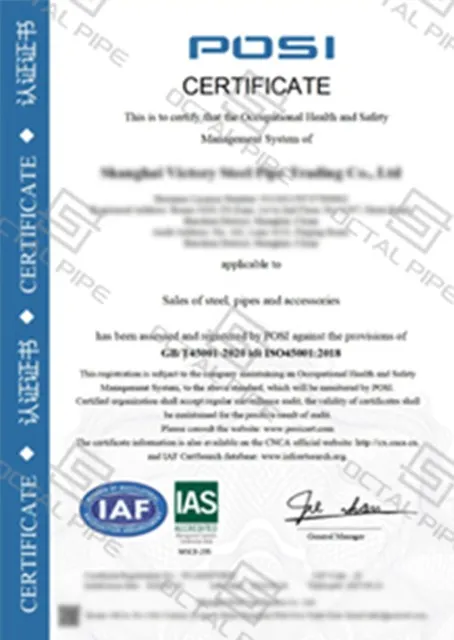
CE Certificate
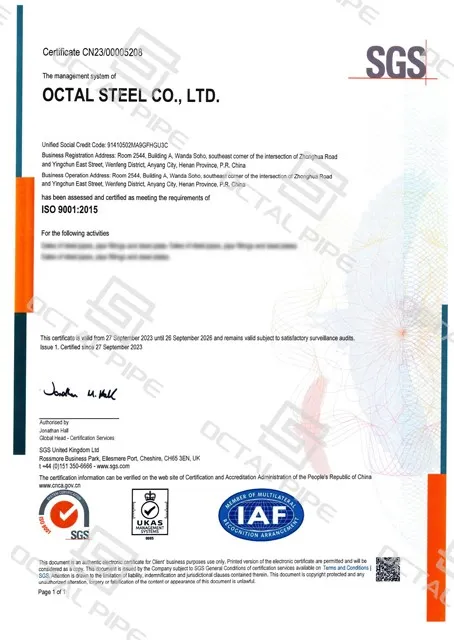
ISO 9001 Certificate
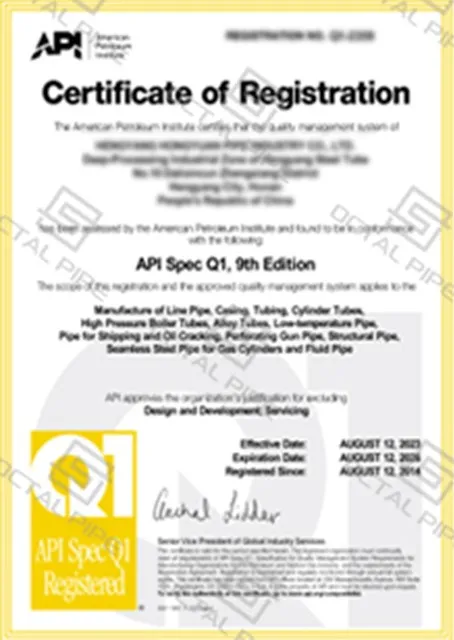
API Q1 Certificate
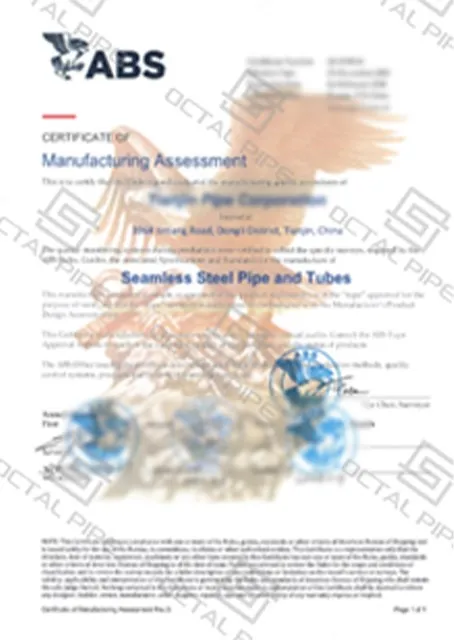
ABS Certificate
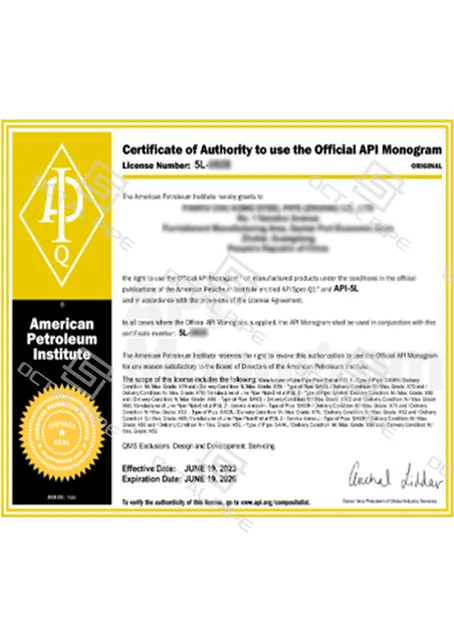
AP-5L Certificate
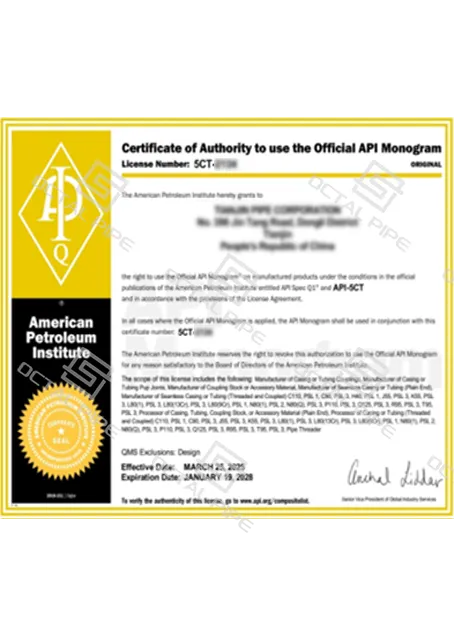
API-5CT Certificate
OD Range: 2 3/8" – 6 5/8"
Grades: E75, X95, G105, S135
Lengths: R1 / R2 / R3
Upset Types: IU, EU, IEU
Connections: NC, IF, REG, FH, premium options
Applications: Deep wells, HPHT, offshore, directional drilling
Hot Tags: drill pipe, China drill pipe manufacturers, suppliers, factory
Previous
No InformationYou Might Also Like



Send Inquiry