




3LPP Coating Pipe
Standards: ISO 21809-1, DIN 30678
Size Range: 4″ – 56″ (custom up to 60″)
Thickness: 2.5 – 5.0 mm
Service Temperature: Up to 120°C
Highlights: High-temp resistance, strong bonding, superior abrasion & impact protection
Use Cases: Hot oil & gas pipelines, desert routes, HDD & rocky crossings, offshore rise
3LPP coating pipe is used when a pipeline needs more than standard buried-line corrosion protection. The coating is built as a three-layer system: fusion-bonded epoxy (FBE) primer, copolymer adhesive, and an outer polypropylene layer. In real projects, that outer PP layer is the reason a 3LPP coated pipe is chosen for hotter lines and rougher installation routes, not just because it sounds like an upgrade over 3LPE. OCTAL's current commercial scope lists 4 in. to 56 in., custom up to 60 in., with commercial coating thickness of 2.5–5.0 mm and service temperature stated as up to 120°C.
A lot of pipeline damage does not begin with corrosion chemistry alone. It begins when coated pipe is dragged over rollers, lowered into a trench with angular backfill, pulled through an HDD section, or stored too long in a hot yard before installation. That is the kind of job where 3LPP pipeline coating starts to make sense. OCTAL's own use-case language already points to hot oil and gas pipelines, desert routes, HDD and rocky crossings, and offshore service, which is exactly where polypropylene's higher mechanical margin becomes more relevant than a basic PE outer layer.


Standards & Specifications
The main technical anchor for a serious 3LPP coating specification is ISO 21809-1:2018. The standard requires the coating class to be selected based on the design temperature range and the expected field duty, while the coating thickness class is selected based on transport, handling, laying conditions, expected operating conditions, environmental conditions, and pipe dimensions. That is an important point: 3LPP is not bought properly by saying "give me a 3 mm coating." It is bought by tying the coating class and thickness class to the actual route the pipe will go through.
The purchase order under ISO 21809-1 is also more specific than many coating pages make it sound. It should include the bare pipe standard, design temperature range, operating temperature, coating class, coating thickness class, cutback configuration and finish, and the required certificate of compliance. The purchaser can also ask for pipe tracking and traceability to coating materials, handling procedures, storage procedures, APS/ITP approval, incoming pipe inspection, pipe end protection, and even higher minimum epoxy or total coating thickness if the project needs more than the baseline standard.
Current OCTAL product data also references DIN 30678 in commercial supply language, alongside ISO 21809-1, and lists a working coating thickness range of 2.5–5.0 mm. That combination is commercially familiar in pipeline coating orders, but the stronger technical route remains to let ISO 21809-1 define the purchase controls and let the project requirements decide the actual coating thickness class.
| Item | Typical Reference / Supply Basis |
|---|---|
| Coating system | FBE + adhesive + polypropylene topcoat |
| Main standard | ISO 21809-1 |
| Common project reference | DIN 30678 |
| ISO coating class | Class C |
| ISO design temperature range | -20°C to +110°C |
| Commercial pipe range | 4 in. – 56 in., custom up to 60 in. |
| Commercial coating thickness | 2.5 – 5.0 mm |
| Commercial service temperature | Up to 120°C on the current product route |


Download:IS0 21809-1:2018 Technical Summary for Polyolefin External Coatings
3LPP vs 2LPP vs 3LPE
The most useful comparison in pipeline work is usually 3LPP vs 3LPE. Both are polyolefin-based external coating systems for buried or submerged steel pipe, but they are selected for different service conditions. 3LPE uses an FBE primer, an adhesive layer, and a polyethylene topcoat, and is commonly used on standard buried lines with moderate operating temperature and normal installation conditions. 3LPP keeps the same three-layer structure, but replaces the outer PE layer with polypropylene, which gives the coating better performance in higher-temperature service and stronger resistance where the line faces rougher handling, rocky backfill, or more demanding installation conditions.
In practice, this difference becomes important once the pipeline is no longer a routine trench job. A buried gas line in moderate soil may still stay with 3LPE. A hotter oil line, a desert route, a rocky trench, or an HDD crossing is more likely to justify 3LPP, because the outer layer has to handle more than ordinary burial conditions.
2LPP appears in some specifications as a simpler polypropylene-based system without the full three-layer structure used in 3LPP. It may be acceptable where the project allows it, but for more demanding service, the three-layer route remains the more established choice because the dedicated FBE primer and adhesive tie layer provide a more stable bond between the steel and the PP outer layer.
| Coating Type | Structure | Typical Service Condition | Main Selection Logic |
|---|---|---|---|
| 3LPE | FBE + adhesive + PE topcoat | Standard buried pipelines with moderate operating temperature and normal backfill conditions | Chosen for general pipeline corrosion protection where the temperature and installation route are not especially severe |
| 3LPP | FBE + adhesive + PP topcoat | Higher-temperature lines, rocky trenches, HDD crossings, desert routes, offshore or other heavy-duty service | Chosen where the coating needs better high-temperature performance and stronger resistance to installation damage |
| 2LPP | PP-based coating system without the full three-layer structure | Project-specific or simplified PP coating requirements | Used where the specification allows a simpler PP route, but less common than 3LPP for demanding service |
Manufacturing Process (3LPP Coating Line)
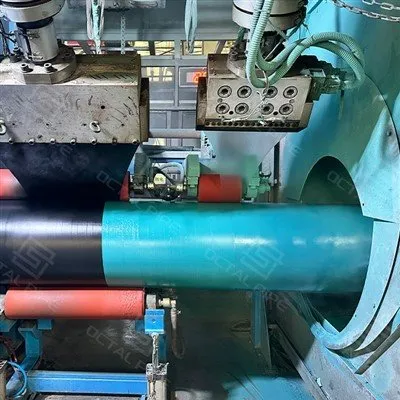
A good 3LPP coated pipe is made by process control, not by the layer list alone. OCTAL's current line description follows the right production sequence: abrasive blasting to Sa 2½, induction heating, FBE primer application, copolymer adhesive application, polypropylene topcoat extrusion, and then cooling and cutback preparation. If one of those steps drifts, the problem usually does not show up as a dramatic visual defect on day one. It shows up later as unstable adhesion near cutbacks, repair work after handling, or inconsistent coating behavior from one lot to the next.
The line details matter because each layer depends on the previous layer being right. Poor surface preparation weakens primer bond. Unstable heating changes epoxy cure and adhesive wet-out. A badly controlled topcoat application can still produce a pipe that looks coated, but does not behave like a pipeline product when it is slung, stacked, lowered, or pulled. That is why the better 3LPP coating manufacturers usually talk less about slogans and more about blasting profile, heating window, cutback control, and inspection discipline. Those are the things the pipe will actually "remember" once it leaves the coating plant.
A typical line sequence includes:
- Abrasive blasting to the specified cleanliness and anchor profile
- Pipe heating before primer application
- FBE primer application on the prepared steel
- Adhesive application within the qualified process window
- Polypropylene topcoat extrusion
- Cooling, cutback finishing, and final inspection


Quality Control & Testing
The current product route already points to the right test family for 3LPP coated pipe: thickness measurement, holiday testing, impact resistance, indentation resistance, hot water soak, cathodic disbondment, and peel strength. That is the right way to describe release logic, because a coating is not protected by adjectives. It is protected by measured thickness, passed continuity testing, controlled cutback, and traceable test records.
ISO 21809-1 supports that same logic from the purchaser side. It allows the order to require pipe tracking and traceability, APS/ITP approval, inspection and testing plans or daily production logs, incoming pipe inspection, repair procedure qualification, and pipe end protection. It also defines an inspection certificate 3.1 in line with ISO 10474 / EN 10204 for coated pipe test results. In practice, that means the release package can be built around real coating evidence rather than a generic statement of conformity.
| QC Area | What Usually Matters at Release |
|---|---|
| Surface preparation | Blast cleanliness and profile before primer application |
| Coating build | Total thickness and layer application consistency |
| Continuity | Holiday testing on the finished coating |
| Mechanical performance | Impact and indentation resistance |
| Adhesion | Peel strength and cutback condition |
| Longer-term behavior | Cathodic disbondment and hot water immersion where specified |
| Documentation | 3.1 certificate, coating records, traceability, repair records |
Among 3LPP coating manufacturers, this is usually where the better suppliers separate themselves. The difference is not who writes "anti-corrosion" most often. It is who can keep the pipe, coating lot, cutback, and release records aligned so the shipment is still easy to inspect when it reaches site. OCTAL fits naturally in that space because the coating offer is tied to actual pipeline use cases and not just to a material label.
Applications
3LPP coating pipe makes sense when the route is thermally or mechanically demanding enough to justify it. The product is better described by real service condition than by broad industry language.
| Application | Real Service Condition | Why 3LPP Fits |
|---|---|---|
| Hot oil transmission | Buried or exposed lines carrying hotter product over long distances | Better fit for higher-temperature service |
| High-temperature gas lines | Gas transmission sections with elevated operating profile | PP topcoat route suits Class C temperature and duty |
| Rocky backfill sections | Trench sections with stone contact and harder lowering-in | More mechanical margin against indentation and abrasion |
| HDD crossings | Pull-through installation with external friction and handling stress | Better outer-layer toughness during installation |
| Offshore / nearshore sections | Pipe exposed to rough transport, laying, or seabed handling | Heavier-duty route for demanding installation conditions |
These are not abstract examples. They match the current application language already used on the product route: hot oil and gas pipelines, desert routes, HDD & rocky crossings, and offshore duty. If the route is mild, 3LPE may still be enough. If the route is hot, rough, or both, 3LPP becomes easier to justify technically.
Why Choose OCTAL 3LPP
OCTAL is at its most useful on this product when the project needs more than a generic coated pipe offer. On a mixed-diameter order or a route where some sections are more mechanically demanding than others, the challenge is not just coating thickness. It is keeping the pipe source, coating class, thickness class, cutback preparation, and release documents consistent across the shipment. The current OCTAL route already supports LSAW, SSAW, ERW, and seamless pipe with external coating, which matters more than it first sounds because coating problems often begin at the handoff between pipe supply and coating execution.
That is also where buyers usually separate one supplier from another. Among 3LPP coating manufacturers, the stronger offer is the one that stays technically readable under project pressure: clear pipe range, realistic coating scope, disciplined QC, and documents that actually match the coated lot. OCTAL can fit that role naturally on 3LPP because the coating page is already tied to demanding use cases rather than to generic anti-corrosion wording.
FAQ

01.What should be specified in a purchase order for 3LPP coating pipe?
02.When should 3LPP coated pipe be selected instead of 3LPE?
03.Can 3LPP coating thickness be ordered as one fixed number for every project?
04.What should be checked when comparing 3LPP coating manufacturers?
Certifications
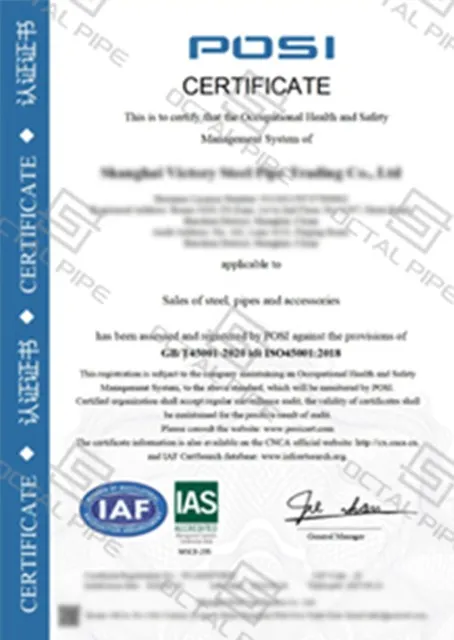
CE Certificate
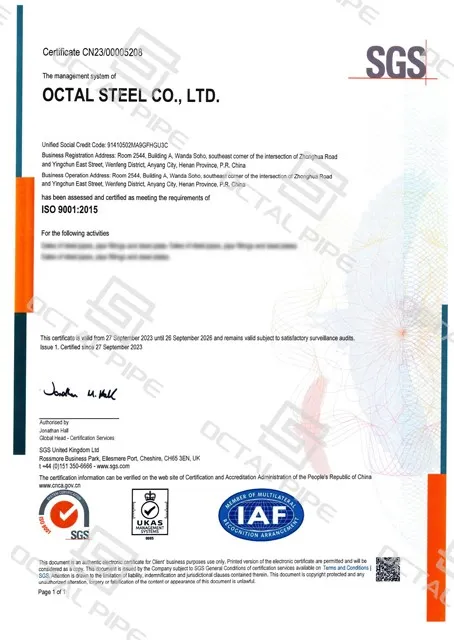
ISO 9001 Certificate
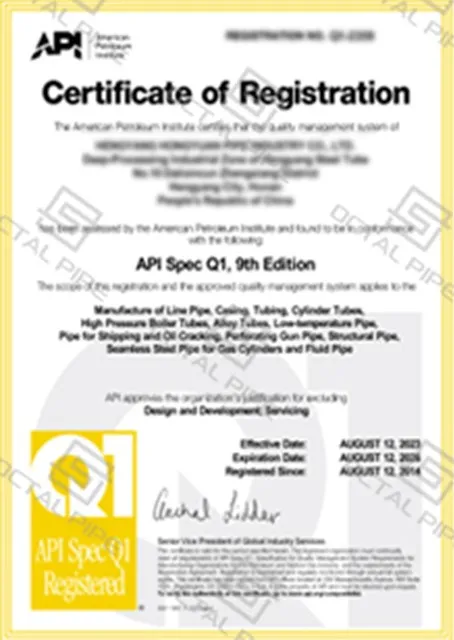
API Q1 Certificate
ABS Certificate
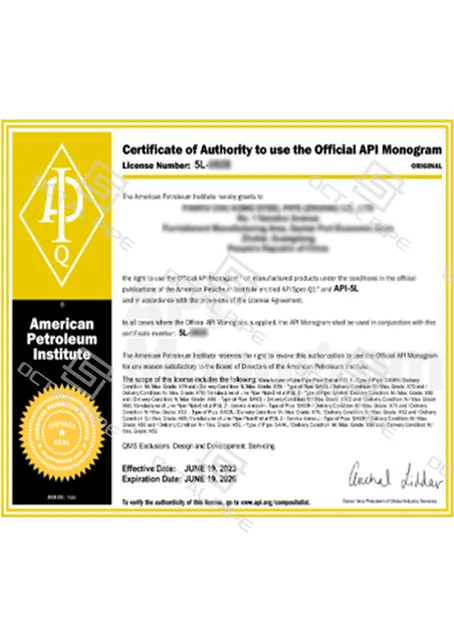
AP-5L Certificate
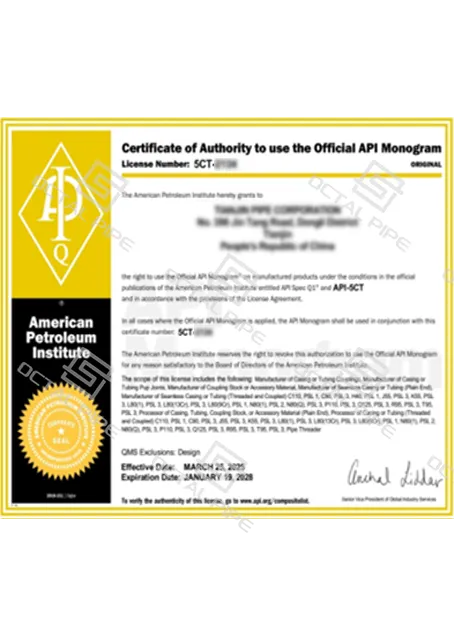
API-5CT Certificate
Hot Tags: 3lpp coating pipe, China 3lpp coating pipe manufacturers, suppliers, factory
Previous
FBE Coating PipeYou Might Also Like




Send Inquiry