Common Materials and Characteristics of Drill Pipe
Drill pipe is a crucial component of drilling operations, and its material selection directly impacts drilling efficiency and safety. Currently, the following drill pipe materials are commonly used on the market:
1. Steel: Steel drill pipe offers high strength and wear resistance, making it suitable for hard rock drilling. However, steel drill pipe is heavy, difficult to operate, and prone to rust.
2. Aluminum Alloy: Aluminum alloy drill pipe is lightweight and corrosion-resistant, making it suitable for drilling soft rock and soil formations. However, its strength and wear resistance are relatively low.
3. Fiberglass Composite: This type of drill pipe offers high strength, lightness, and corrosion resistance, and is gradually gaining market share. However, it is relatively expensive, and it must be protected from collisions with hard objects during use.
50mm Diameter Drill Pipe Material Selection
50mm diameter drill pipe is relatively common on the market. For this drill pipe specification, the material selection should be based on the specific drilling environment and requirements. For example, high-strength, wear-resistant steel drill pipe is suitable for hard rock drilling. Lightweight, corrosion-resistant aluminum alloy or fiberglass composite drill pipe is recommended for drilling in soft rock and soil formations.
The Importance of Drill Pipe Material Standards
The development and implementation of drill pipe material standards are crucial for ensuring the safety and efficiency of drilling operations. Standardized drill pipe provides greater durability and reliability, reducing failures and risks during drilling. Furthermore, standardized drill pipe is easier to repair and replace, reducing drilling costs.

Certifications
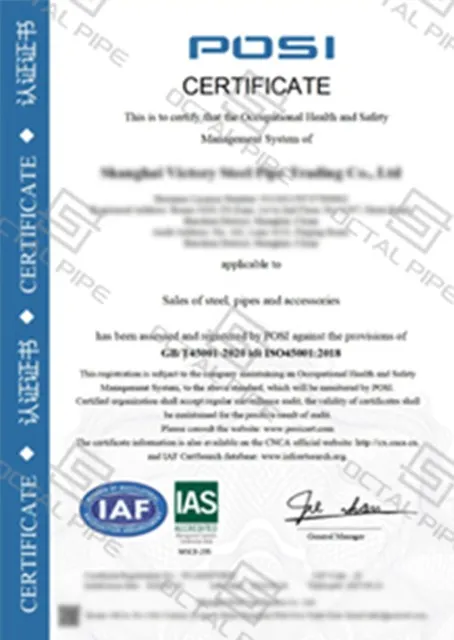
CE Certificate
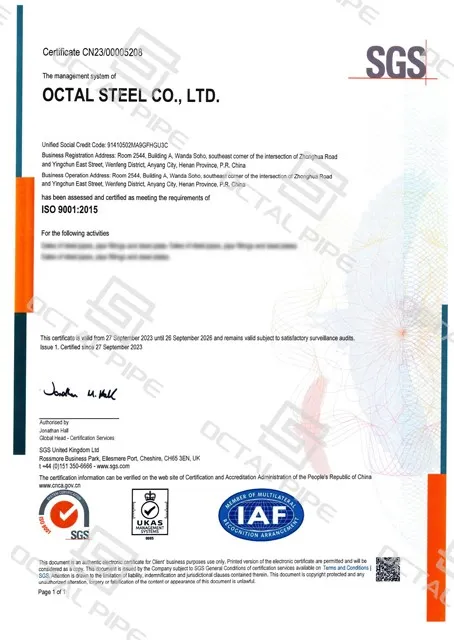
ISO 9001 Certificate

API Q1 Certificate
ABS Certificate
AP-5L Certificate
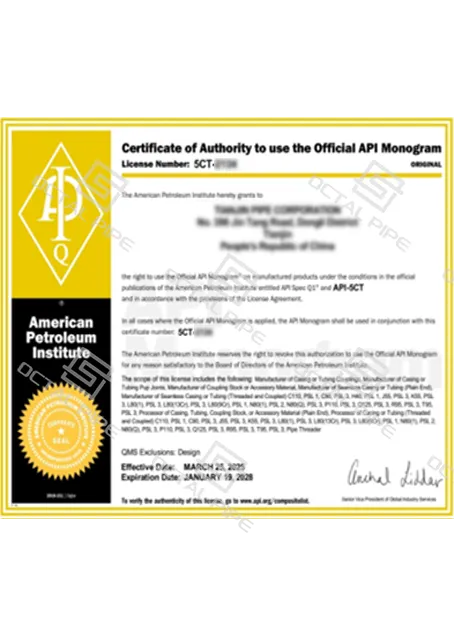
API-5CT Certificate