What Is Hot Dip Galvanizing?
Hot dip galvanizing is a post-fabrication corrosion protection process in which cleaned steel or iron components are fully immersed in a molten zinc bath, typically maintained at 815–850°F (435–455°C) with zinc bath chemistry specified under ASTM B6. When the steel surface contacts molten zinc, zinc reacts with iron and forms zinc-iron alloy layers with an outer zinc layer. This metallurgical reaction is the core difference between hot dip galvanizing and a simple surface coating.
Because the process is carried out after cutting, drilling, welding, and forming, hot-dip galvanized coating can protect edges, corners, bolt holes, weld areas, brackets, and complex fabricated geometry in one immersion cycle. This makes it suitable for steel parts exposed to outdoor atmosphere, plant humidity, road salts, splash water, and long maintenance intervals, including structural frames, pipe supports, guardrails, utility hardware, and fabricated steel assemblies.
The quality of hot-dip galvanized steel is not judged by brightness alone. A professional inspection normally focuses on coating thickness, surface continuity, adhesion, bare or uncoated areas, repair condition, and the applicable standard such as ASTM A123, ASTM A153, ASTM F2329, ASTM A780, or ISO 1461. In practical terms, hot dip galvanizing is selected when steel parts need a measurable, durable zinc coating that can protect real fabricated surfaces rather than only provide a clean appearance.
How Does Hot-Dip Galvanizing Work?
Hot-dip galvanizing works through a controlled metallurgical reaction between molten zinc and a clean steel surface. After degreasing, pickling, and fluxing, the steel surface is free from oil, rust, mill scale, and oxides, allowing molten zinc to contact bare iron directly. Once the part enters the zinc kettle, zinc wets the surface and begins to diffuse into the outer layer of the steel.
During immersion, zinc and iron react to form a series of zinc-iron intermetallic layers that grow from the steel surface outward. When the part is withdrawn, a layer of mostly pure zinc remains on the outside and solidifies as the final surface. The result is a coating system bonded to the steel by reaction, not simply attached by mechanical adhesion, which helps the coating follow edges, corners, weld zones, bolt holes, and other fabricated details when cleaning, venting, and drainage are properly controlled.
The process can be understood in three stages:
- The steel surface is chemically cleaned so zinc can contact bare iron.
- Molten zinc reacts with iron and forms zinc-iron intermetallic layers.
- The coating protects the steel through barrier protection, sacrificial protection, and long-term zinc patina formation.
This is why surface preparation is critical. If oil, rust, mill scale, paint, welding slag, or oxide remains on the surface, zinc cannot form a continuous reaction layer. The result may be bare spots, poor coating growth, or weak coating continuity.

Hot-dip galvanized steel protects the base metal in several ways:
- Barrier protection: the zinc coating separates steel from oxygen, moisture, and corrosive media.
- Cathodic protection: if the coating is scratched, zinc corrodes preferentially and helps protect nearby exposed steel.
- Patina protection: after weathering, the zinc surface develops stable corrosion products that slow the corrosion rate.
This combination is what makes hot dip galvanizing different from many thin zinc coatings or paint systems.
Hot Dip Galvanizing Process Steps
Hot dip galvanizing begins with surface preparation, because molten zinc can only react properly with clean steel. Oil, rust, mill scale, weld slag, or trapped moisture may prevent zinc wetting and lead to bare spots or uneven coating growth. After cleaning and fluxing, the steel is immersed in molten zinc, where zinc-iron alloy layers form on the surface. The final inspection then checks whether the coating is continuous, measurable, and acceptable for service.
| Step | Process | Technical Purpose |
|---|---|---|
| 1 | Degreasing / caustic cleaning | Removes oil, grease, dirt, and organic contamination |
| 2 | Pickling | Removes rust and mill scale from the steel surface |
| 3 | Rinsing | Reduces chemical carry-over between tanks |
| 4 | Fluxing | Removes light oxides and helps molten zinc wet the steel |
| 5 | Drying / preheating | Reduces moisture before immersion |
| 6 | Immersion in molten zinc | Forms zinc-iron alloy layers through metallurgical reaction |
| 7 | Withdrawal and drainage | Removes excess zinc and controls coating buildup |
| 8 | Cooling | Stabilizes the coating surface |
| 9 | Inspection | Checks coating thickness, appearance, bare spots, and repair areas |

Download:Hot Dip Galvanizing Process Checklist
In most batch galvanizing operations, fabricated steel is dipped after cutting, welding, drilling, or forming. This is important because edges, holes, welded areas, and fabricated surfaces can all receive zinc coating in one immersion cycle, provided the design allows proper venting and drainage.
HDG Coating Layers and Corrosion Protection
The coating structure is the most important technical point in hot dip galvanizing. A hot-dip galvanized coating is not a single pure zinc film. It is a layered system formed by diffusion and reaction between zinc and iron.A typical HDG coating includes zinc-iron alloy layers near the steel surface and a pure zinc layer on the outside.
| Coating Zone | Typical Layer | Main Characteristic | Function |
|---|---|---|---|
| Base metal | Steel substrate | Structural material | Provides strength and load capacity |
| Inner alloy layer | Gamma layer | Thin zinc-iron reaction layer near the steel | Creates the first metallurgical bond |
| Middle alloy layer | Delta layer | Dense zinc-iron alloy layer | Adds hardness and abrasion resistance |
| Outer alloy layer | Zeta layer | Zinc-rich alloy layer | Supports coating thickness and durability |
| Outer surface | Eta layer | Mostly pure zinc | Provides weathering surface and sacrificial protection |
| Weathered surface | Zinc patina | Stable zinc corrosion products | Slows further corrosion in atmospheric exposure |
Download:Hot-Dip Galvanized Coating Anatomy and Corrosion ProtectionGuide
The zinc-iron alloy layers are harder than pure zinc and are strongly bonded to the steel. This helps the coating resist handling damage, transport abrasion, installation contact, and local wear on edges or corners. The outer Eta layer is softer and more ductile, which helps absorb minor impact and provides the main zinc surface for weathering.
Why the Layered Structure Matters
The layered coating gives hot-dip galvanized steel several practical advantages:
- The coating is bonded to steel through a metallurgical reaction.
- Corners and edges usually receive good coating coverage because the entire fabricated part is immersed.
- Minor coating damage does not immediately expose the steel to rapid corrosion.
- Zinc can provide sacrificial protection around small scratches or cut areas.
- The coating can be measured, inspected, and specified by standards.
This layered structure is also why HDG coating appearance may vary. Some parts are bright and spangled, while others are dull gray or matte. A dull gray surface does not automatically mean poor galvanizing. Steel chemistry, especially silicon and phosphorus content, can accelerate zinc-iron alloy growth and produce a thicker, darker coating.
Zinc Patina and Long-Term Protection
After hot-dip galvanized steel is exposed to the atmosphere, the outer zinc surface begins to react with oxygen, moisture, and carbon dioxide. Over time, a stable zinc patina forms on the surface. This patina reduces the corrosion rate of the zinc and extends service life.However, newly galvanized steel must be stored correctly. If parts are stacked tightly in wet conditions without airflow, white rust may form. White rust is usually related to trapped moisture and poor ventilation during storage or transport, not necessarily a failure of the galvanizing process itself.
For projects involving outdoor storage, marine transit, or long delivery routes, galvanized parts should be packed and stored with:
- drainage space between surfaces
- dry storage where possible
- good air circulation
- separation from aggressive chemicals
- inspection before installation
Hot Dip Galvanizing Standards and Inspection
Hot dip galvanizing should be specified and inspected according to the correct standard. Different standards apply to structural steel, hardware, reinforcing bar, threaded fasteners, and repair areas.
| Standard | Typical Scope |
|---|---|
| ASTM A123 / A123M | Zinc hot-dip galvanized coatings on iron and steel products |
| ASTM A153 / A153M | Zinc coating on iron and steel hardware |
| ASTM A767 / A767M | Zinc-coated reinforcing steel bars |
| ASTM F2329 / F2329M | Hot-dip zinc coating for carbon and alloy steel bolts, screws, washers, nuts, and threaded fasteners |
| ASTM A780 | Repair of damaged and uncoated galvanized areas |
| ISO 1461 | Hot dip galvanized coatings on fabricated iron and steel articles |
Inspection is not only a visual check. A practical HDG inspection usually includes coating thickness measurement, appearance review, bare spot checking, repair review, and confirmation that drainage or venting marks do not affect the intended use.
Common inspection items include:
- Coating thickness: measured by magnetic thickness gauge or other accepted methods.
- Surface appearance: checked for roughness, lumps, runs, ash, dross particles, or excessive buildup.
- Bare areas: reviewed to determine whether repair is required.
- Adhesion: checked when required by the applicable standard or project specification.
- Threaded areas: reviewed for fit after coating where bolts, nuts, or threaded parts are involved.
- Repair zones: repaired according to the specified repair method and acceptance criteria.
For fabricated steel, thickness requirements often depend on the steel thickness and material category. A clear specification should define more than the general galvanizing requirement; it should state the applicable standard, product type, inspection scope, and any special surface or assembly condition.


Hot Dip Galvanizing vs Other Zinc Coatings
Not all galvanized steel has the same coating structure. The word "galvanized" may refer to several zinc coating methods, but their durability, coating thickness, edge protection, and service performance can be very different.
| Item | Hot-Dip Galvanizing | Electro-Galvanizing / Zinc Plating | Pre-Galvanized Steel |
|---|---|---|---|
| Coating method | Fabricated steel is immersed in molten zinc | Zinc is deposited by electrochemical process | Steel sheet or tube is coated before fabrication |
| Coating structure | Zinc-iron alloy layers plus outer zinc layer | Thin deposited zinc layer | Continuous factory-applied zinc coating |
| Bonding | Metallurgical reaction | Surface deposition | Factory coating before cutting or forming |
| Edge protection | Good on immersed fabricated parts | Limited on sharp geometry | Cut edges may expose bare steel |
| Typical use | Structural steel, pipe supports, guardrails, outdoor fabricated parts | Indoor parts, small components, appearance-sensitive items | Sheet, light tube, formed products |
| Main limitation | Kettle size, venting, drainage, coating buildup | Lower heavy-duty corrosion reserve | Welded or cut areas may need extra protection |

Download:Hot-Dip Galvanizing vs Other Zinc Coatings
Hot dip galvanizing is usually preferred when the final fabricated part must be protected after welding, cutting, drilling, or forming. Pre-galvanized steel may be suitable for light-duty sheet or tube products, but cut edges and welded areas need additional attention. Electro-galvanizing and zinc plating can provide a smoother finish, but they are normally used where a thinner coating is acceptable.
Where Is Hot Dip Galvanized Steel Used?
Hot dip galvanized steel is used where corrosion protection must survive real outdoor or industrial exposure. The most suitable applications are those where repainting is difficult, access is limited, or the steel surface may be exposed to moisture, abrasion, or long-term weathering.
Common application conditions include:
- Outdoor structural frames: parking structures, platforms, stairs, handrails, and support frames exposed to rain, humidity, and atmospheric pollution.
- Pipe racks and pipe supports: brackets, saddles, hangers, and support steel used in plants where condensation, splash water, and coating damage can occur during installation.
- Highway components: guardrails, sign posts, lighting poles, bridge fittings, and barriers exposed to road water, dust, salts, and maintenance impact.
- Utility and power structures: transmission tower parts, poles, cross arms, and hardware installed in open environments where regular repainting is not practical.
- Fabricated steel assemblies: base plates, welded brackets, frames, and hollow sections where edges, welds, and drilled holes require post-fabrication protection.
For steel pipe, tube, and hollow components, design details become especially important. Closed sections must allow air and molten zinc to move safely. Without proper venting and drainage, trapped pressure, acid retention, or incomplete coating may occur. For pipe supply projects, hot-dip galvanized steel pipe should be reviewed together with the pipe standard, zinc coating requirement, end type, packing method, and inspection documents.
Design and Fabrication Notes Before Hot Dip Galvanizing
Hot dip galvanizing is a total immersion process, so the part design directly affects coating quality and safety. A well-designed galvanized part allows cleaning fluids, flux, air, and molten zinc to enter and drain without trapping liquid or pressure.
Important fabrication points include:
- Hollow sections need correctly sized vent holes and drain holes.
- Overlapped surfaces and tight gaps can trap cleaning chemicals or moisture.
- Weld slag, paint, oil, and heavy markings should be removed before galvanizing.
- Threads, precision holes, and sliding assemblies need allowance for coating buildup.
- Large assemblies must fit the galvanizing kettle or be designed for progressive dipping.
- Welding or grinding after galvanizing removes local protection and requires repair.
- Seal-welded assemblies must be reviewed carefully to avoid trapped air or explosion risk during immersion.
For complex frames, pipe supports, and tubular structures, galvanizing design should be reviewed before fabrication. Correct venting and drainage are not cosmetic details; they affect coating continuity, worker safety, dimensional fit, and final acceptance.
Advantages and Limitations of Hot Dip Galvanizing
Hot dip galvanizing is valued because it provides a robust, inspectable, and low-maintenance corrosion protection system. Its performance comes from the zinc-iron alloy structure and the sacrificial behavior of zinc.
Advantages
- Metallurgically bonded coating with strong adhesion
- Zinc-iron alloy layers that resist handling and abrasion
- Barrier protection plus cathodic protection
- Good coverage on edges, corners, welds, and holes after fabrication
- Suitable for many outdoor and industrial steel components
- Lower maintenance demand compared with many paint-only systems
- Recognized standards for coating thickness, repair, and inspection
Limitations
- Part size is limited by kettle dimensions and handling capacity.
- Steel chemistry can affect coating color, thickness, and surface texture.
- Close-tolerance components may need machining or thread cleaning after galvanizing.
- Closed sections require correct venting and drainage.
- White rust can occur if newly galvanized parts are stored wet without air circulation.
- Welding, cutting, or grinding after galvanizing removes the protective coating locally.
FAQ

01.Is a thicker hot-dip galvanized coating always better?
02.Why does hot-dip galvanized steel sometimes look dull gray?
03.Can hot-dip galvanized steel rust during storage or shipment?
04.What should be checked before specifying hot dip galvanizing?
Certifications
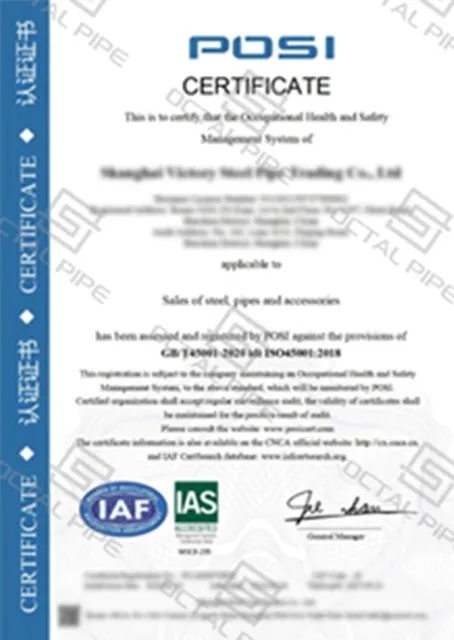
CE Certificate

ISO 9001 Certificate

API Q1 Certificate
ABS Certificate
AP-5L Certificate
API-5CT Certificate