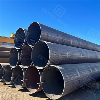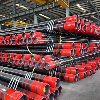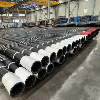

In modern industries, pipelines are often described as the lifelines that connect equipment, transport energy, and maintain system stability. Whether in oil and gas, chemical manufacturing, power generation, or infrastructure projects, pipeline systems play a vital role in ensuring smooth and safe operations.
Definition and Basic Concept of Pipelines
Technically speaking, a pipeline is a system of pipes that connects pumps, valves, tanks, or control systems, enabling the transfer of liquids, gases, or powdered solids.
In a broader sense, pipelines also include cables and electrical conduits, representing all linear transmission pathways for materials or energy within an industrial facility.
The Core Role of Pipelines in Industry
A well-designed pipeline system improves safety, efficiency, and reliability across operations. Key functions include:
Material Transportation: Efficiently transfers fluids, gases, and other substances between equipment and process stages.
System Integration: Connects pumps, valves, and control instruments for automation and precision control.
Safety Assurance: Utilizes sealing, corrosion protection, and monitoring technologies to ensure stable and safe production.
In oil, gas, and chemical industries, the design and quality of pipelines directly determine operational efficiency and plant safety.
Common Types of Industrial Pipelines
Industrial pipelines are categorized based on medium and application, such as:
Process Pipelines: Transport key production media like crude oil, natural gas, and chemical feedstocks.
Utility Pipelines: Carry auxiliary media such as steam, cooling water, and compressed air.
Transmission Pipelines: Designed for long-distance transportation of oil and gas between production and consumption points.
Control Lines: Used in automation systems for signal or pneumatic transmission between sensors and control units.
This classification helps engineers choose the right materials and standards during design and construction.

Key Elements of Pipeline System Design
A reliable pipeline system must balance safety, cost-effectiveness, and maintainability. Key design considerations include:
- Pressure and Temperature Conditions: Ensure the system can withstand extreme operating conditions.
- Material and Welding Standards: Comply with international standards such as API, ASME, and ISO.
- Corrosion and Thermal Protection: Extend service life through coatings, liners, and cathodic protection.
- Fluid Dynamics Optimization: Minimize energy loss and pressure drop through efficient flow design.
Each factor contributes to the long-term durability and performance of the pipeline network.
Future Trends in Pipeline Technology
With the growth of energy transition and smart manufacturing, pipeline technology is evolving toward greater efficiency, intelligence, and sustainability.
Key development directions include:
- Integration of automation and digital monitoring systems
- Advanced anti-corrosion and material technologies
- Energy-efficient and low-carbon pipeline designs aligned with global sustainability goals
These advancements are reshaping how pipelines are designed, monitored, and managed across industries.
Conclusion
From energy transportation to industrial automation, pipeline systems are the true lifelines of modern industry.
They are not merely conduits but essential networks that carry both information and energy across every stage of production.
OCTAL PIPE is dedicated to providing high-quality pipeline products and solutions that meet international standards, supporting sustainable growth in the oil, gas, and infrastructure sectors.
FAQ

Q1: What is a pipeline in industrial systems?
Q2: What is the difference between a pipeline and piping?
Q3: What are the main types of pipelines?
Q4: What are the key elements of pipeline system design?
Certifications
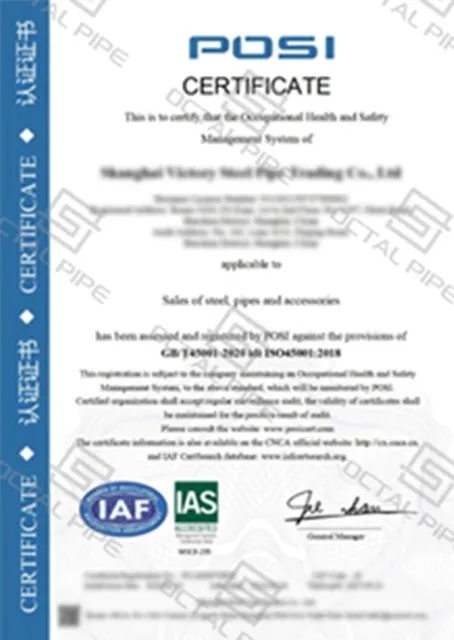
CE Certificate

ISO 9001 Certificate

API Q1 Certificate
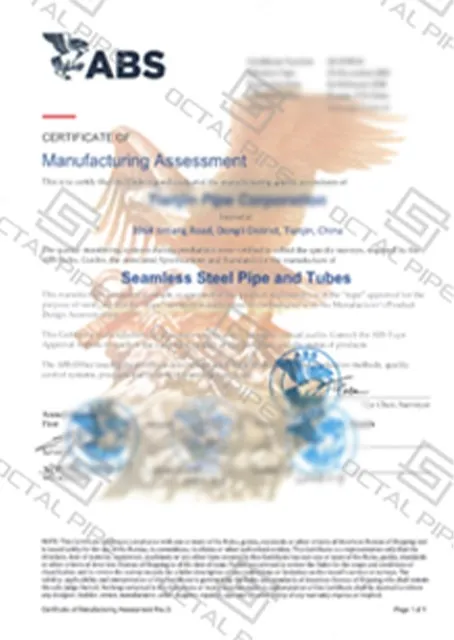
ABS Certificate
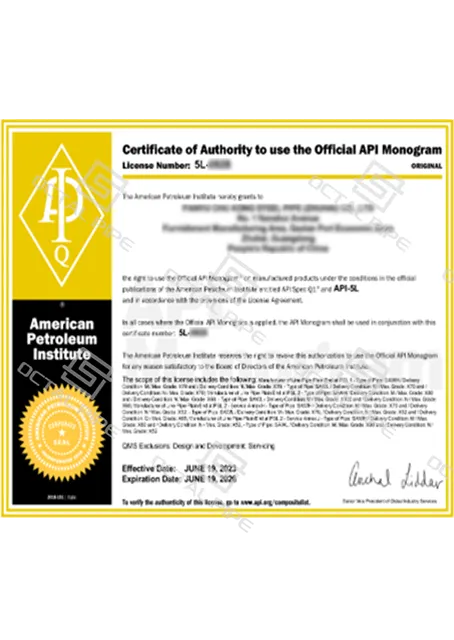
AP-5L Certificate
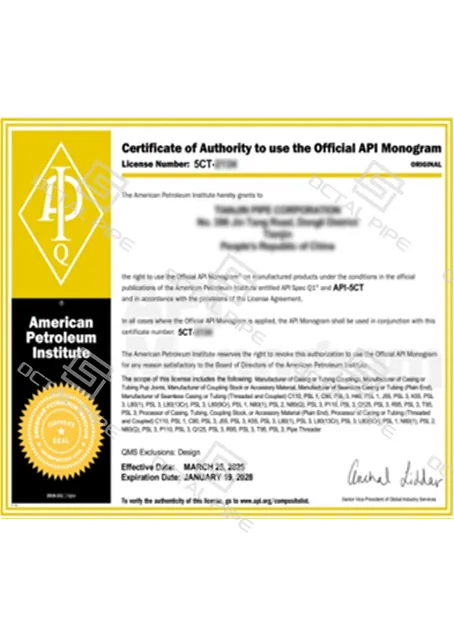
API-5CT Certificate