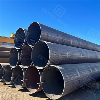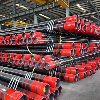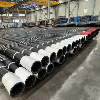
Oil casing and tubing are essential components in the oil industry, and their production process is rigorous and complex. Below, we will analyze the production process step by step.
1. Material Preparation
The first step in producing oil casing and tubing is to prepare the appropriate raw materials. High-quality steel is typically selected as the base material to ensure excellent strength and corrosion resistance. The steel undergoes rigorous inspection and screening to ensure it meets production standards.
2. Processing and Forming
Processing and forming is the core step in oil casing and tubing production. During this process, the steel undergoes a series of processes such as cutting, bending, and welding, gradually forming the initial form of the tubing. Strict control of various parameters is required during the processing to ensure product precision and quality.
3. Heat Treatment
Heat treatment is crucial for improving the mechanical properties and corrosion resistance of oil casing and tubing. Heat treatment processes such as quenching and tempering can further adjust the material's internal structure, resulting in superior physical properties.
4. Surface Treatment
Surface treatment is essential to enhance the corrosion resistance and service life of oil casing and tubing. Common surface treatment processes include galvanizing and painting, which can effectively isolate the external environment from direct contact with the oil casing, thereby reducing the risk of corrosion.
FAQ

Q1: What are the main steps in the oil casing and tubing production process?
Q2: Which standard is commonly used for casing and tubing manufacturing?
Q3: Why is heat treatment important for OCTG casing and tubing?
Q4: What inspections are typically used before delivering casing and tubing?
A4: Common checks include dimensional inspection, NDT, hydrostatic testing, and connection/thread verification.
Certifications
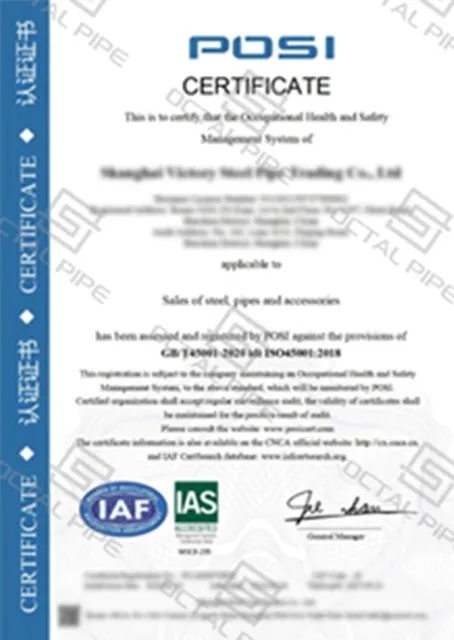
CE Certificate

ISO 9001 Certificate

API Q1 Certificate
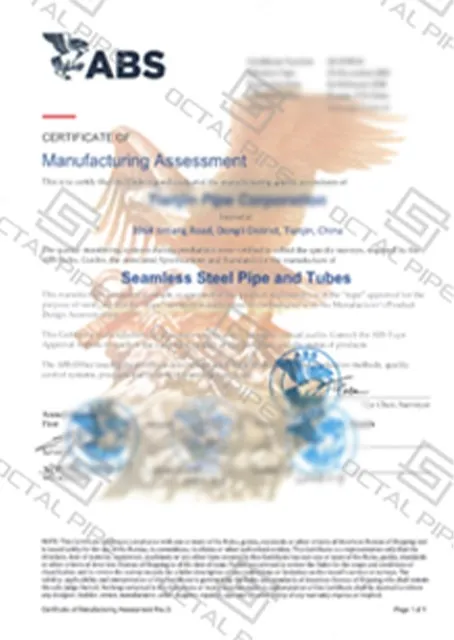
ABS Certificate
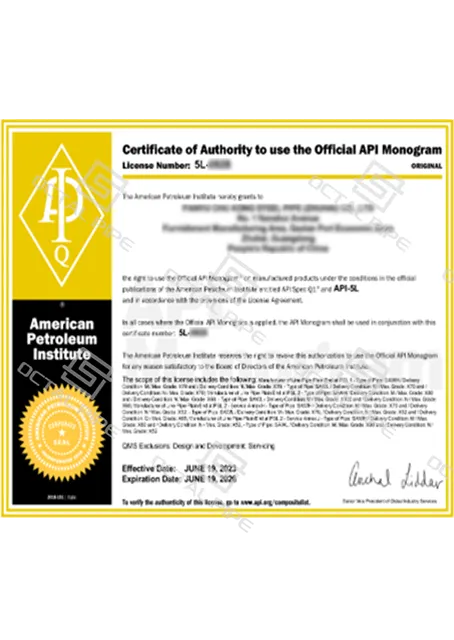
AP-5L Certificate
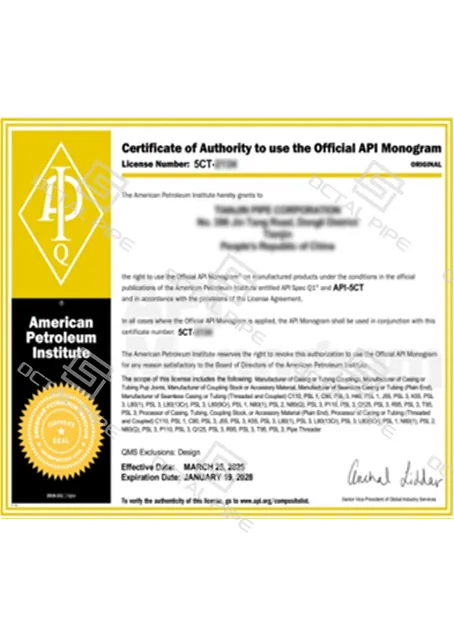
API-5CT Certificate