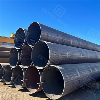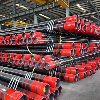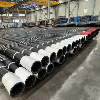
A flange connection involves securing two pipes, fittings, or equipment to a flange plate. A flange gasket is then placed between the two flanges and bolted together to complete the connection. Some pipe fittings and equipment already have built-in flanges, which also constitute flange connections. Flange connections are a key connection method in pipeline construction. They are convenient to use and can withstand high pressures. In industrial and household piping, where pipes are small in diameter and operate at low pressure, flange connections are often invisible. However, in a boiler room or production site, flanged pipes and equipment are everywhere.
Based on the connection method, flange connections can be categorized as follows: plate slip-on flanges, slip-on flanges with necks, butt-weld flanges with necks, socket-weld flanges, threaded flanges, flange covers, butt-weld lap flanges with necks, slip-on lap flanges, grooved flanges and flange covers, large-diameter flat flanges, large-diameter high-neck flanges, splayed blind flanges, butt-weld lap flanges, etc.


FAQ

Q1: What is a flange connection in piping?
Q2: Which flange type is best for high-pressure service?
Q3: What is the difference between slip-on and weld neck flanges?
Q4: Why are gaskets important in flange connections?
A4: The gasket creates the seal between flange faces and helps prevent leakage under pressure.
Certifications
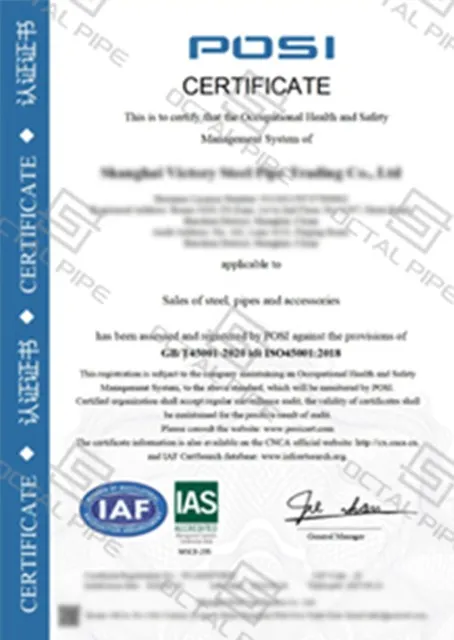
CE Certificate
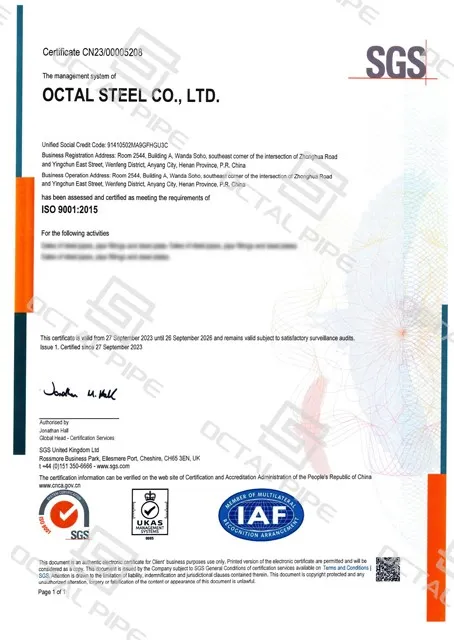
ISO 9001 Certificate
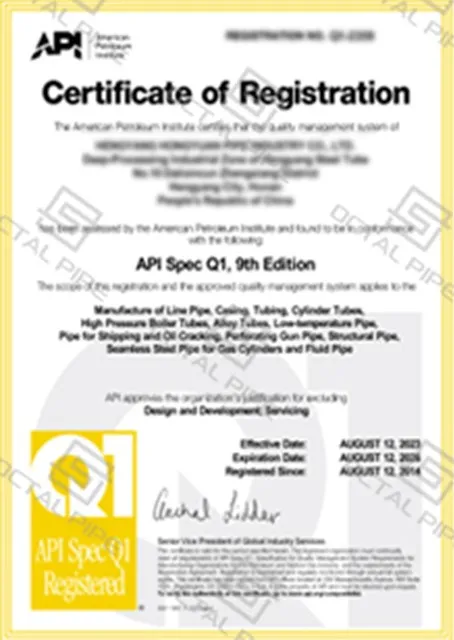
API Q1 Certificate
ABS Certificate
AP-5L Certificate
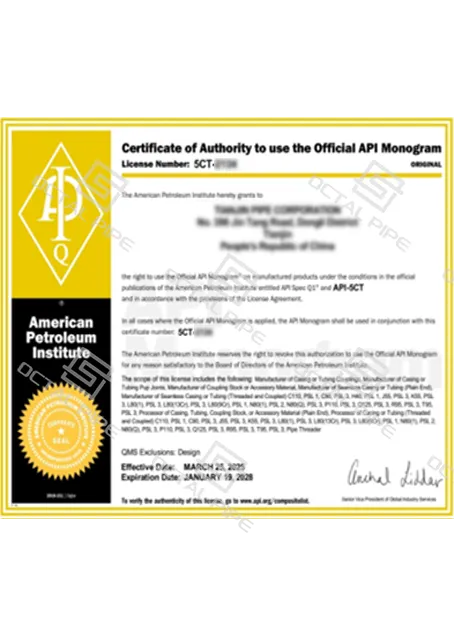
API-5CT Certificate