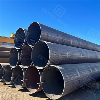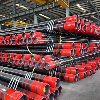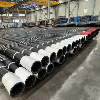
Engineering Overview
ASTM A333 Grade 6 covers seamless and welded steel pipes used at low temperatures down to –50°F (–46°C).
The steel is engineered to retain toughness under subzero conditions, supporting safe pressure containment and structural stability in demanding cryogenic systems such as LNG terminals, gas processing plants, and arctic pipeline infrastructures.
Key performance characteristics:
- Crack resistance under thermal contraction
- Stable strength during cold start cycles
- Reliable weldability for field installation
- Compliant for low-temperature ASME pressure systems

Chemical Composition
|
Element |
Requirement (wt%) |
Engineering Function |
|
Carbon (C) |
≤ 0.30 |
Strength vs weldability balance |
|
Manganese (Mn) |
0.29 – 1.06 |
Enhances toughness and structural integrity |
|
Phosphorus (P) |
≤ 0.025 |
Limits brittle fracture |
|
Sulfur (S) |
≤ 0.025 |
Improves weld soundness |
|
Silicon (Si) |
0.10 – 0.35 |
Deoxidation & structural stability |
Low sulfur & phosphorus improve notch toughness at low temperatures.

Mechanical Properties
|
Property |
Requirement |
Cryogenic Performance Benefit |
|
Tensile Strength |
≥ 415 MPa (60 ksi) |
Pressure containment safety margin |
|
Yield Strength |
≥ 240 MPa (35 ksi) |
Controlled deformation and reliability |
|
Elongation |
≥ 30% |
Plasticity under impact driving or bending |
|
Impact Test |
–50°F (–46°C), mandatory |
Prevents brittle fracture propagation |
Charpy V-Notch testing ensures fracture resistance for LNG and arctic service.

Manufacturing & Heat Treatment
ASTM A333 Grade 6 pipes are produced either as seamless or as welded pipes, but in both cases the process is set up to meet low-temperature toughness requirements. Production begins with clean, fine-grain steel to make sure the material can absorb impact at subzero temperatures. Forming and sizing are controlled so the pipe keeps accurate OD, wall and straightness, which is important when lines are prefabricated and field-welded. Internal surface quality is also monitored to maintain good flow characteristics for oil, gas or utility media.
After forming, the pipes are put through a controlled heat-treatment cycle. This step is not just to relieve stress - it is mainly to bring back ductility and to even out the microstructure so that Charpy impact values at -45 °C (or the temperature specified in the order) can be met. Proper normalizing or tempering refines the grain, improves notch toughness, and gives the pipe better resistance to sudden impact or pressure fluctuations in cold-service conditions.
Pipe Dimensions & Delivery Options
|
Parameter |
Typical Range |
|
Outside Diameter |
1/2" – 48" (21.3 – 1219 mm) |
|
Wall Thickness |
SCH 20 – SCH XXS or custom |
|
Length |
SRL / DRL / Cut-to-Length |
Project-specific tolerances and NDE requirements can be included for critical applications.
Welding and Fabrication for Cryogenic Pipeline Integrity
ASTM A333 Grade 6 offers stable weldability for modular assembly and field construction.
However, heat-affected zone (HAZ) properties must be carefully preserved to ensure low-temperature performance:
- Welding process compatibility with SMAW, GTAW, and GMAW for both shop and field joints
- Qualified WPS/PQR required to confirm impact toughness after welding in cryogenic duties
- Strict heat input control to prevent grain coarsening and loss of notch toughness in the HAZ
- PWHT based on service condition and design code requirements to improve weld joint uniformity
- Weld seam inspection (UT/RT) recommended for LNG and arctic applications with high consequence of failure
Proper welding procedure application ensures that the installed pipeline maintains fracture resistance and leak-tight performance under repeated cold start cycles.
Inspection & Testing Requirements
|
Test Item |
Purpose |
|
Hydrostatic / NDE |
Leakage prevention |
|
Charpy Impact Test |
Subzero toughness validation |
|
Tensile Test |
Strength compliance |
|
Flattening / Bending |
Formability assessment |
|
Hardness test |
Cold-crack resistance |
|
Marking & MTC traceability |
QA audit and code compliance |
Extra testing (PMI / UT 100% / third-party witness) available for critical units.

Applications
- LNG regasification and liquefaction plants
- Cryogenic and refrigeration pipelines
- Arctic oil & gas transmission
- Low-temperature pressure vessels & modules
- Offshore and onshore cold-climate infrastructure
- Designed to avoid brittle failure risks in severe temperature drops.
Summary
Octal Pipe supports cryogenic pipeline performance with qualified welding procedures, certified impact test records, and material traceability from mill to installation.
Compliance-focused supply, customized inspection, and reliable delivery make ASTM A333 Grade 6 from Octal Pipe a proven choice for LNG and low-temperature service environments.
FAQ

Q1: What is ASTM A333 Grade 6 pipe used for?
Q2: What impact test temperature is commonly specified for A333 Grade 6?
Q3: What's the difference between ASTM A333 Grade 6 and ASTM A106 Grade B?
Q4: Should I choose seamless or ERW welded A333 Grade 6 pipe?
Certifications
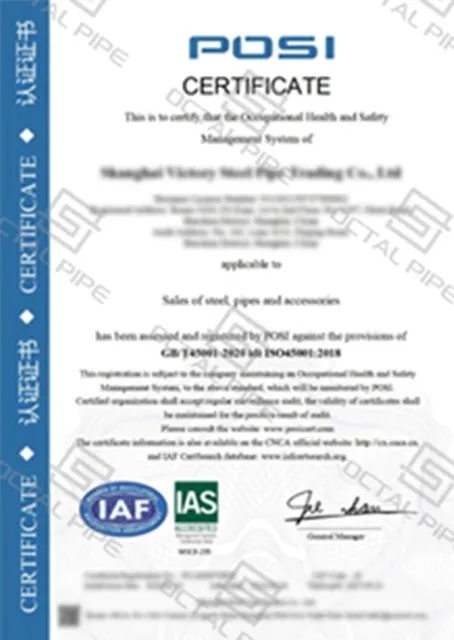
CE Certificate

ISO 9001 Certificate

API Q1 Certificate
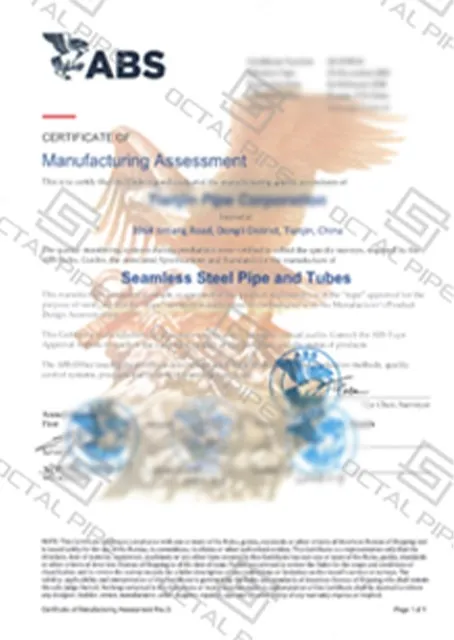
ABS Certificate
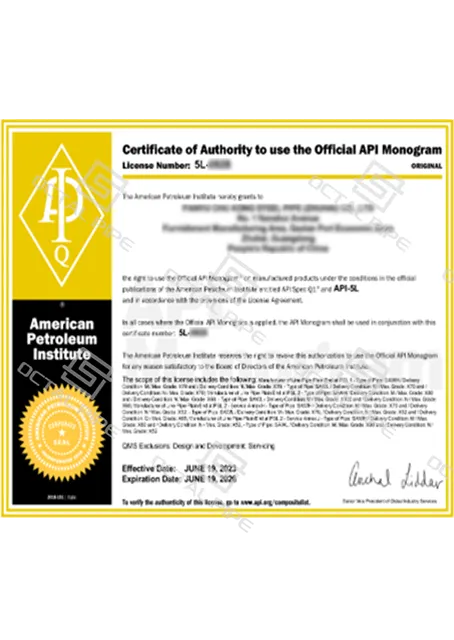
AP-5L Certificate
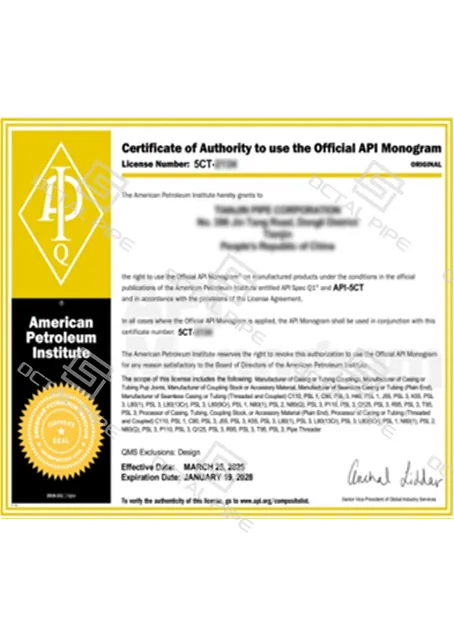
API-5CT Certificate