1. Household and residential valves (such as tap water and gas valves)
Media: Clean tap water, natural gas (non-corrosive)
Operating conditions: Low pressure (≤1 MPa), room temperature (-10°C to 60°C)
Material: Copper, cast iron, plastic (PPR, PVC)
Lifespan: 10-20 years
Copper valves (such as brass ball valves) are highly corrosion-resistant and can last over 20 years with proper maintenance.
Cast iron valves are prone to rust. If the water quality is poor (containing silt and impurities), they may become stuck or leak after about 10 years.
Plastic valves are significantly affected by temperature. Prolonged exposure to direct sunlight or high temperatures may accelerate aging, shortening their service life to 5-10 years.
2. Industrial general working condition valves (such as water, steam, oil systems)
Medium: clean water, saturated steam, mineral oil (low corrosive)
Working conditions: medium and low pressure (1~10MPa), medium temperature (≤200)
Material: cast steel (WCB), stainless steel (304), ductile iron
Lifespan: 8~15 years
Seals (such as rubber, polytetrafluoroethylene) are wearing parts. If replaced regularly, the valve body can be extended to more than 15 years;
Steam valves are prone to wear due to frequent alternation of hot and cold, and the sealing surface is easily worn, and the lifespan may be shortened to 5~8 years.
3. Corrosive/harsh working condition valves (such as acid, alkali, and medium containing particles)
Medium: acid and alkali solution, seawater, mud, sandy sewage
Working conditions: medium and high pressure (≤20MPa), high temperature (200~400) or low temperature (≤-20)
Material: corrosion-resistant stainless steel (316), Hastelloy, fluorine-lined (PTFE)
Lifespan: 3~10 years
If the medium is highly corrosive (such as hydrochloric acid, chlorine), even if corrosion-resistant materials are used, the sealing surface and valve body will gradually be corroded, and the service life may be only 3~5 years;
Medium containing particles (such as slurry, sewage) will erode the valve seat and valve core, accelerate wear, and the service life is mostly 3~8 years.
4. Valves for high-pressure, high-temperature critical service conditions (e.g., power plants, high-pressure chemical pipelines)
Media: High-pressure steam, high-temperature hot oil, high-pressure gas
Operating Conditions: High pressure (≥10 MPa), high temperature (≥400°C)
Material: Alloy structural steel (e.g., Cr-Mo steel), forged stainless steel
Lifespan: 5-10 years
Suffering from long-term high stress, media erosion, and oxidative corrosion, valve cores and seats are susceptible to failure and require regular inspection (e.g., ultrasonic testing). Lifespan typically does not exceed 10 years.
Key Influencing Factors:
Maintenance: Regular lubrication, cleaning, and replacement of seals (e.g., O-rings, packing) can extend valve life by 30%-50%.
Frequency of Operation: Valves that are frequently opened and closed (e.g., dozens of times per day) experience rapid wear on the sealing surfaces, resulting in a lifespan that is at least 50% shorter than valves used less frequently (a few times per month).
Certifications
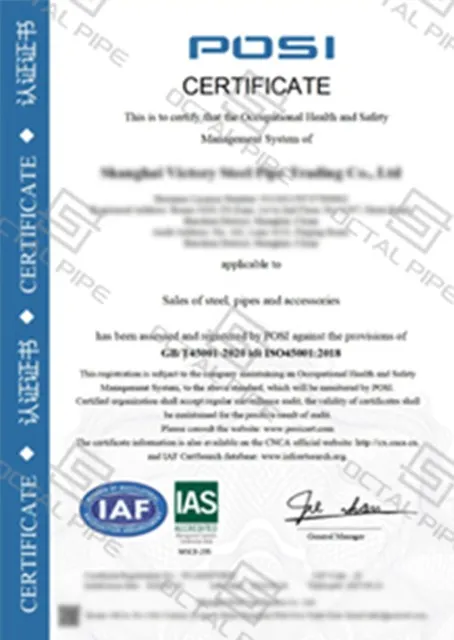
CE Certificate
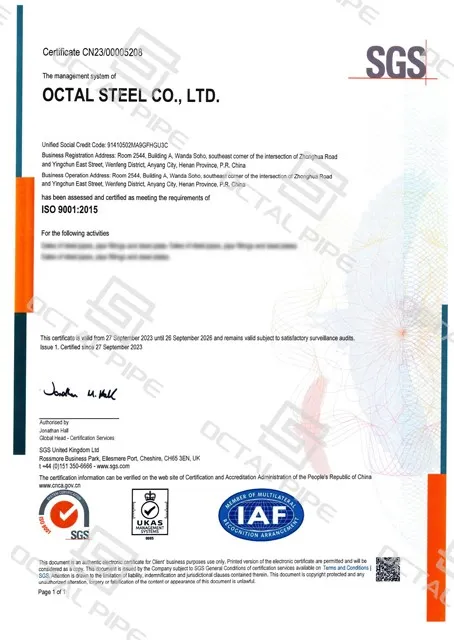
ISO 9001 Certificate
API Q1 Certificate
ABS Certificate
AP-5L Certificate
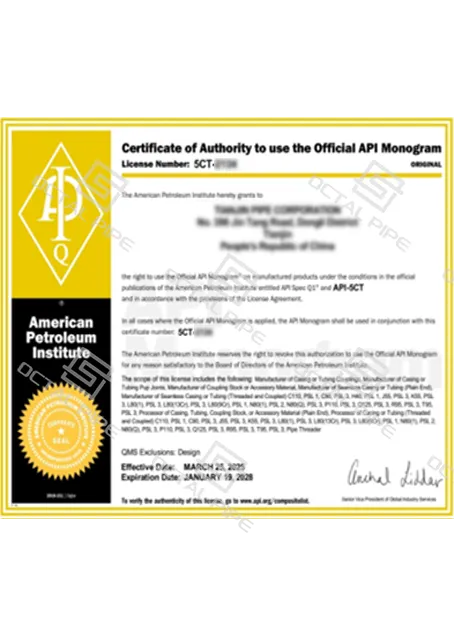
API-5CT Certificate