1. Before installing a valve, carefully verify that the valve model and specifications match the design.
2. Verify that the valve is suitable for the required application conditions based on the valve model and manufacturer's instructions.
3. When lifting the valve, tie the rope to the flange connection between the valve body and bonnet, and avoid tying it to the handwheel or valve stem to avoid damage to the valve stem or handwheel.
4. When installing a valve on a horizontal pipeline, the valve stem should be vertically upward; downward installation is not permitted.
5. When installing the valve, do not use forced connection methods such as pulling or pulling to avoid damage due to uneven force.
6. Rising-stem gate valves should not be installed underground in damp locations to prevent stem corrosion.


FAQ

Q1: What should be verified before installing a valve?
Q2: Where should the lifting sling be attached when handling a valve?
Q3: What is the correct stem position for a valve on a horizontal pipeline?
Q4: Can rising-stem gate valves be installed underground?
A4: They should not be installed underground in damp locations due to stem corrosion risk.
Certifications
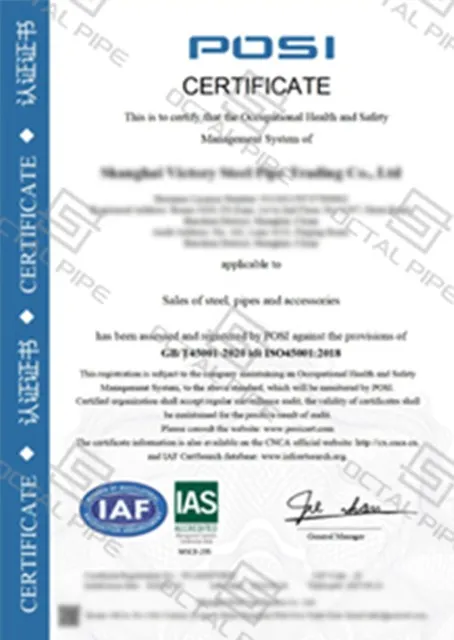
CE Certificate
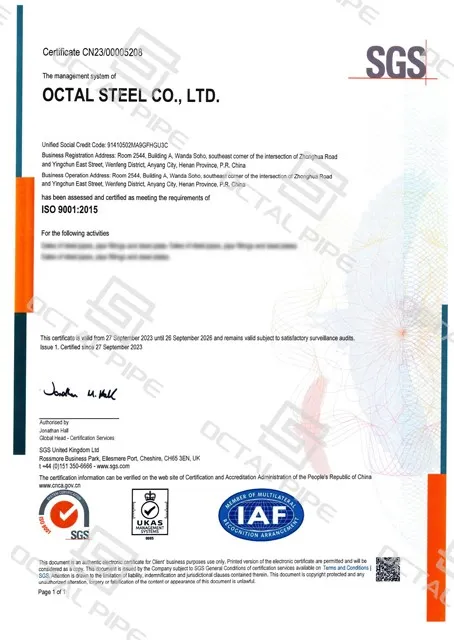
ISO 9001 Certificate
API Q1 Certificate
ABS Certificate
AP-5L Certificate
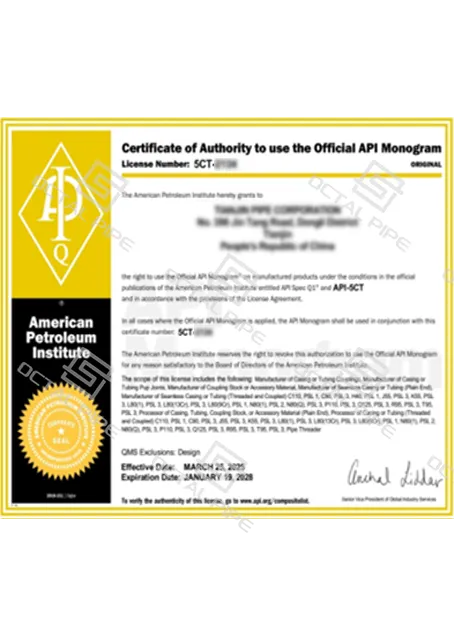
API-5CT Certificate