Based on the production process, steel coils can be divided into hot-rolled coil and cold-rolled coil. Hot-rolled coil refers to coils made by heating steel to a certain temperature and then rolling it, while cold-rolled coil refers to coils rolled at room temperature.
Based on the surface treatment, steel coils can be divided into galvanized coil, color-coated coil, and aluminized coil. These coils have different surface treatments and are suitable for different applications and environments.
Based on the material, steel coils can be divided into ordinary carbon steel coils and special steel coils. Ordinary carbon steel coils refer to coils made of materials such as Q235 and Q345, while special steel coils refer to coils made of materials such as stainless steel and alloy steel.
Based on the specification, steel coils can be divided into thin plate coils and thick plate coils. Thin plate coils are generally less than 2mm thick, while thick plate coils are over 2mm thick.
Based on the application, steel coils can be divided into construction steel coils, automotive steel coils, and machinery manufacturing steel coils. These coils have different applications and characteristics, and the choice should be based on actual needs.

FAQ

Q1: What is the main classification of steel coils?
Q2: What is the difference between hot rolled and cold rolled steel coil?
Q3: What is PPGI steel coil used for?
Q4: How do I choose the right steel coil for my application?
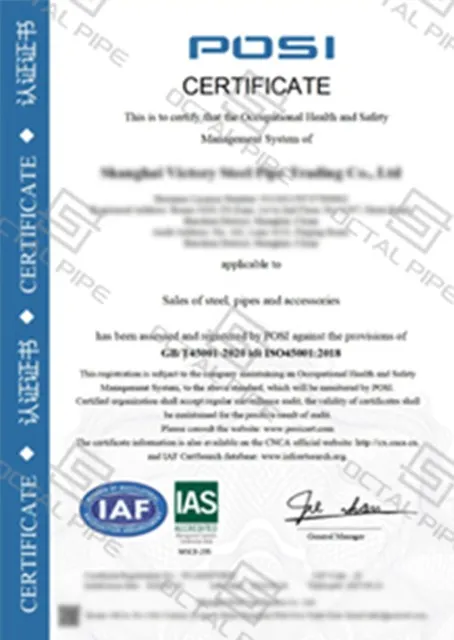
Certifications
CE Certificate
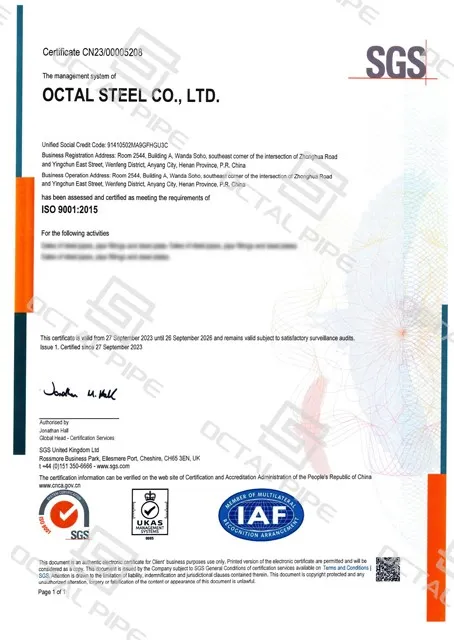
ISO 9001 Certificate
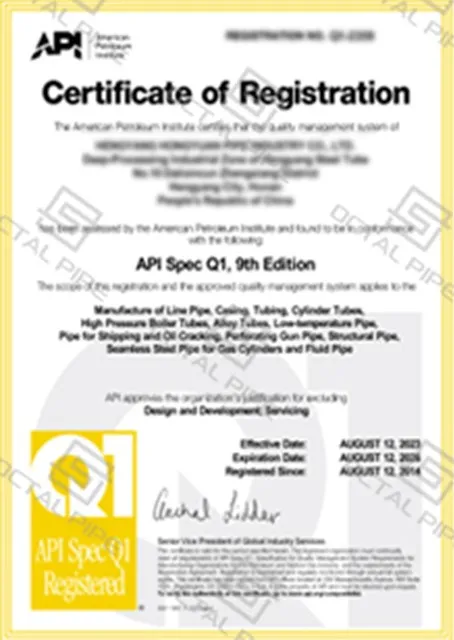
API Q1 Certificate
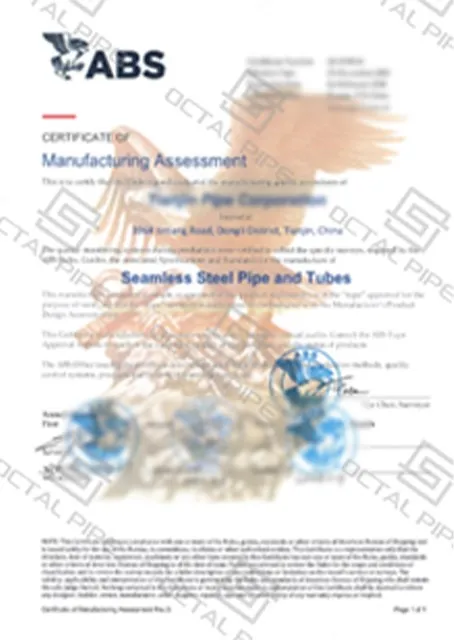
ABS Certificate
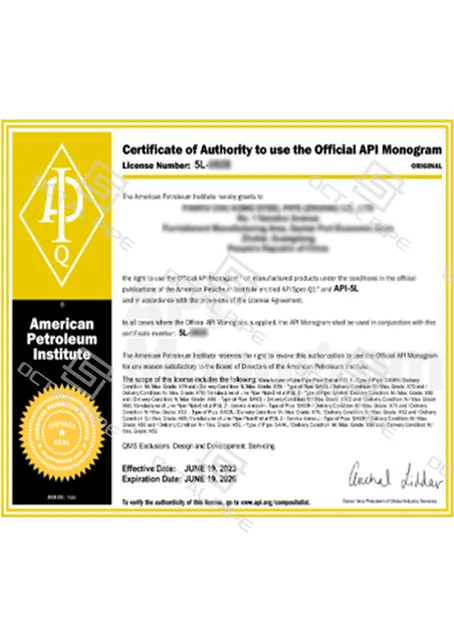
AP-5L Certificate
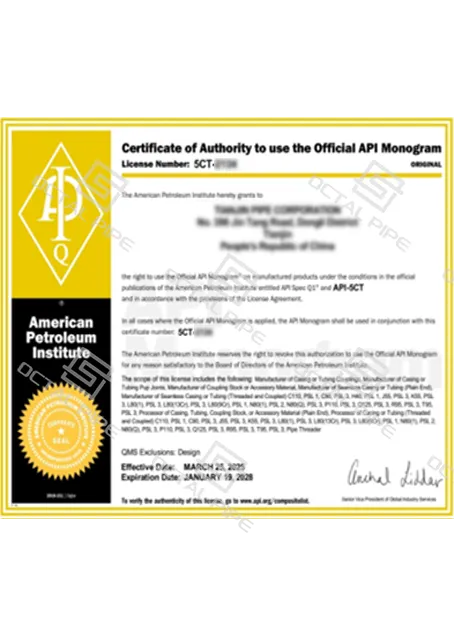
API-5CT Certificate